

Daniel Noonan
SUBCATEGORY
I remember saying goodbye to my two dogs. They died months apart, but both in the same medically sterile room so they feel closer together in retrospect, which I suppose is nice. I don’t recall if my little brother was there.
On the car drive home I spoke to my mother, but looking back I get the feeling we were talking past one another—talking to talk, so we wouldn’t have to be silent, like the dog we had just put down.
The loneliest I’ve ever been was standing in an art gallery.
SUBCATEGORY
In certain strains of therapy, there is a process of thought known as parts work: the notion of several parts of the self existing separately, adding up to a whole. I experience something and a part of me is scared, a part of me is angry, a part of me is relieved. Numerous parts operate independently, as a network of the self. The process is about negotiating these parts, honouring their differing concerns and agendas but conducting a greater, wiser rationale over them to better navigate your world—to help yourself reach some stability and control.
The corpus callosum is a collection of nerve tracts that run communications between the left and right sides of the brain. This is a rudimentary description, but I am not a scientist so it’s not my business. Some severe forms of epilepsy have been treated with an operation called a corpus callosotomy, in which a surgeon cuts through the corpus callosum, largely severing communications between hemispheres of the brain.
The resulting split-brain syndrome is not life-threatening but manifests in a number of unusual side effects. Sensory stimulation by sight or touch is not properly communicated between hemispheres, causing a disconnect between conscious thought and action. Speech and comprehension of speech is disrupted. The body can react to stimuli without conscious control. It is the brain, decontextualised from itself and working out of order. The parts are again out of sync, but this is a structural condition. Neurological; irreversible.
SUBCATEGORY
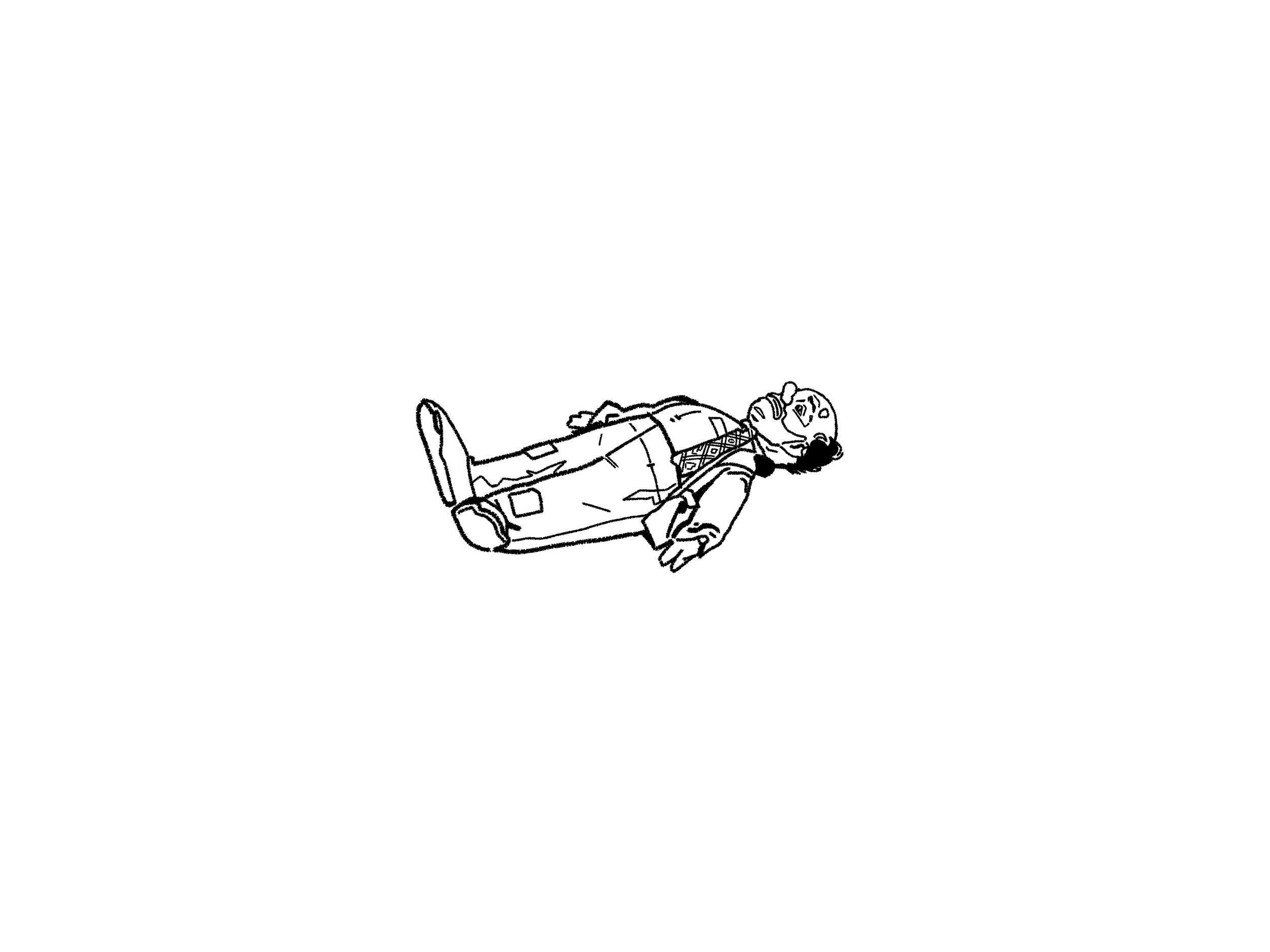
He wore his best trousers, the pair with only a couple patches stitched around the knees.
If these be the pants I die in, it’ll be a good death.
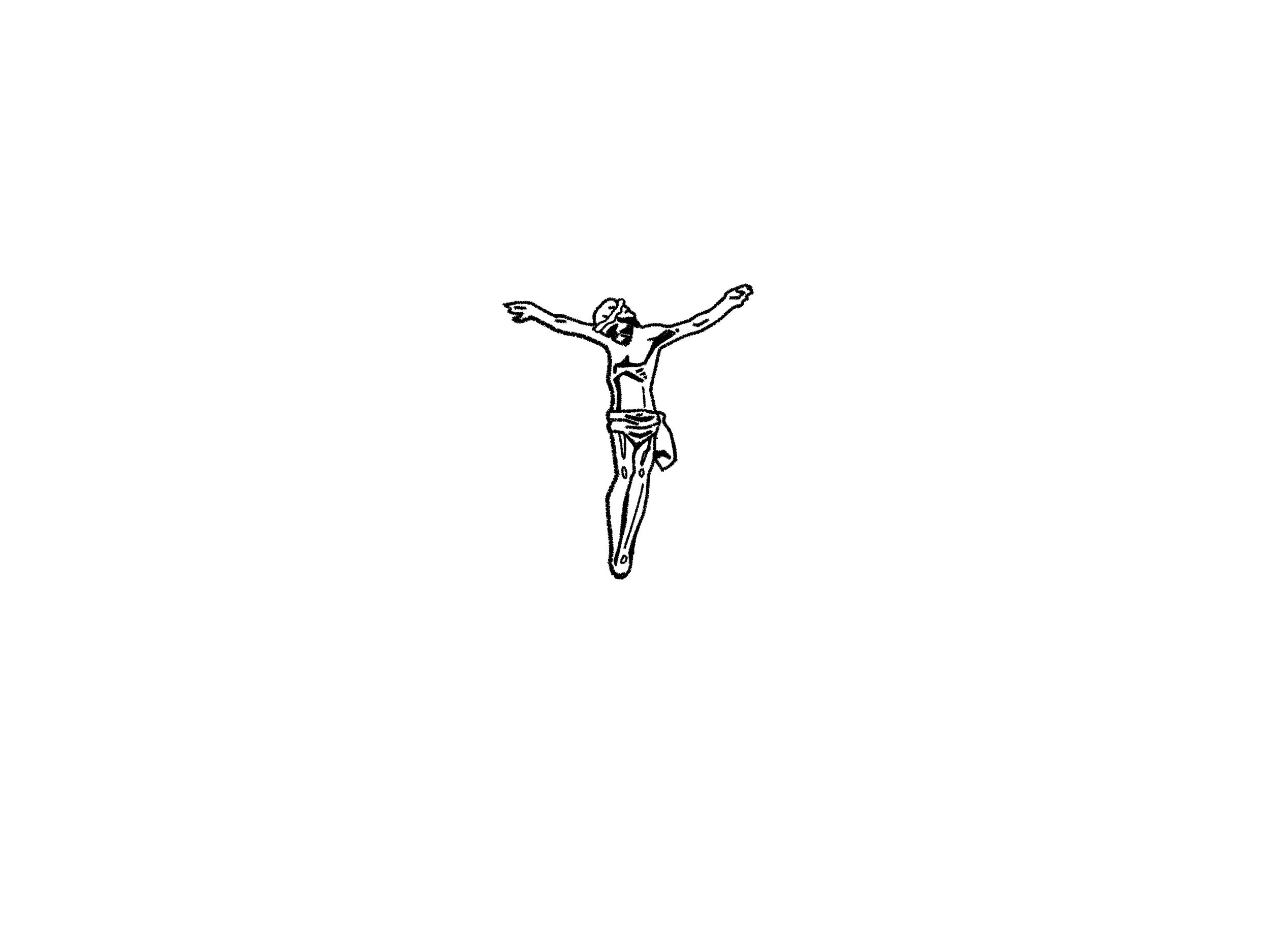
A clown doesn’t worry about things in the same way we do. He lies still now, splayed on the pavement. That crucifix is looming above at a distance, it has its back turned to the dead man. We’re prey animals now. We’re fruit in the garden.
I think on the eternal and wonder if something truly divine would feel the need to stand above everybody else. What good is divinity if you must ask to wield it?
SUBCATEGORY
The building is functional in obvious ways. The ceiling doesn’t feel much like a ceiling at all, with the daunting black grating barely obscuring a mess of piping and industrial fans. I don’t really understand how they built it all, but I am not a builder so it’s not my business.
Insurmountably high walls seem taller when they’re painted such stark and sterile white. The deep corners—at the floor, at the ceiling—always seem deep enough to get lost in. You could burrow into them, forever sinking deeper, never feeling any less exposed. There’s an odd sense of dread, standing at the foot of artworks and looking up to the ceiling instead.
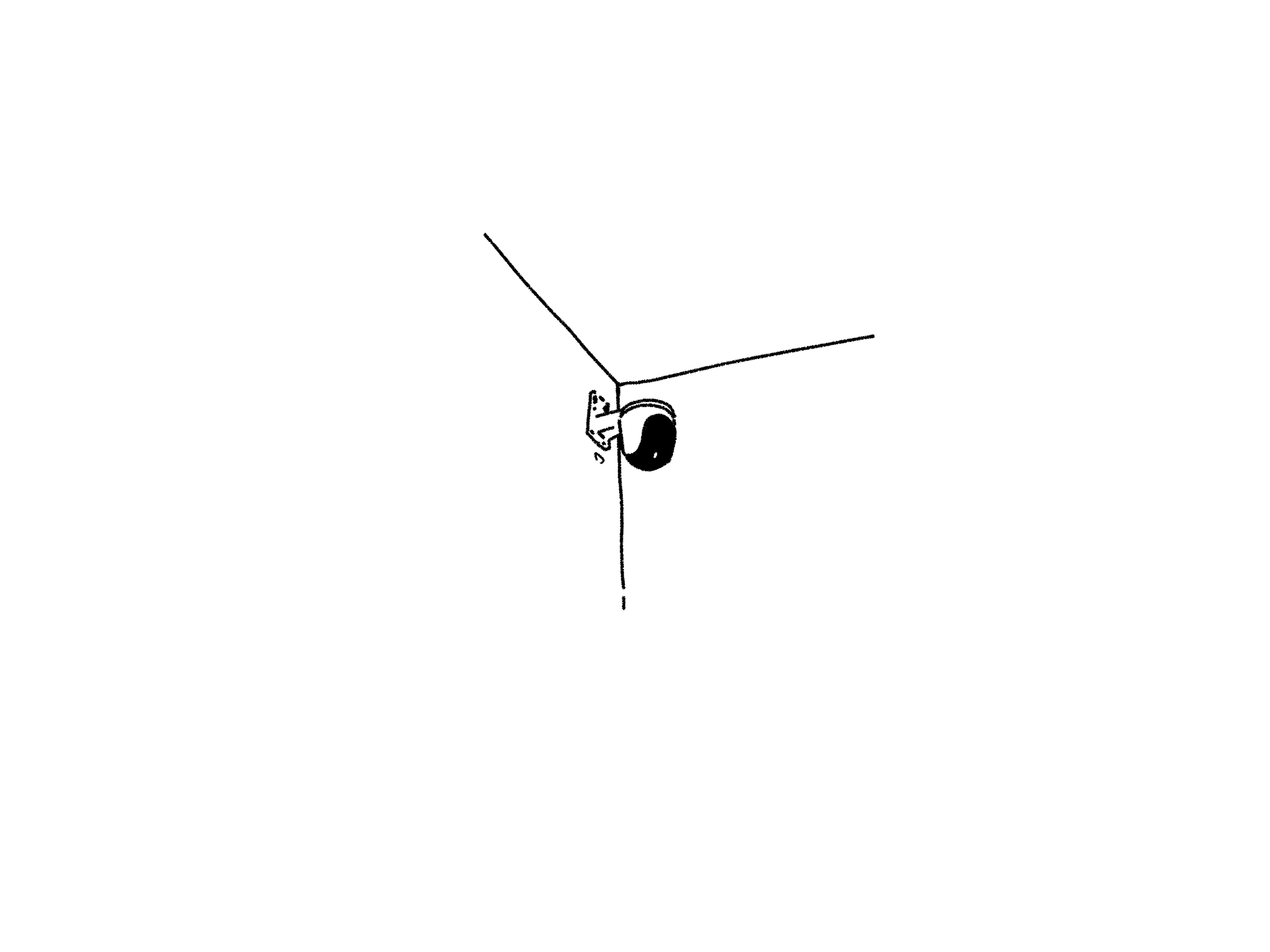
In the top left corner of this room there’s a security camera, plugged into the empty space. At the back wall, a temperature reader indicates that the space sits at 20.5 degrees Celsius. Everything’s painted perfect white. This room could almost have you believing it’s not even there.
SUBCATEGORY
The painting of the street stretches into and beyond itself and I’d like to step inside. I’d like to be swallowed up by the faded vintage pavement, feel my feet planted stark on aged oil paints. I’m reminded of family Christmas functions in sweltering heat and the associated pre-teen desire to be elsewhere. That feeling grew into the teenage desire to be nowhere. These days I often don’t feel certain where I am at all, and often I think that’s better. I prefer not to be tethered to any meaning, to be known in some sense as fragmented.
Good art could be said to swallow you whole.
INTERLUDE
I took a train out to Geelong with my partner over the break, to visit an exhibition of Australian impressionist artwork. While we avoided the paths restricted to paying visitors, she spoke to me about the ways impressionist movements in the country were used to forge a national identity, an aesthetic culture to clarify how our hands had domesticated a ‘lawless land.
Under fading pink sunlight, the rising between night and day, a man leads cattle down a muddy path.
Maybe a week earlier we’d been through the National Gallery of Victoria, noting the lacking context of exactly how the items on display came to be there. Donated, loaned, in honour of, in agreement with. Taken. They put statues on display behind glass, and I know, always know, that they had once belonged to somebody.
What is an object without story? It’s lonely, I think; to be without function to a body, to a people. Our culture of art can valorise the mind. But we are bodies. We are people.
SUBCATEGORY
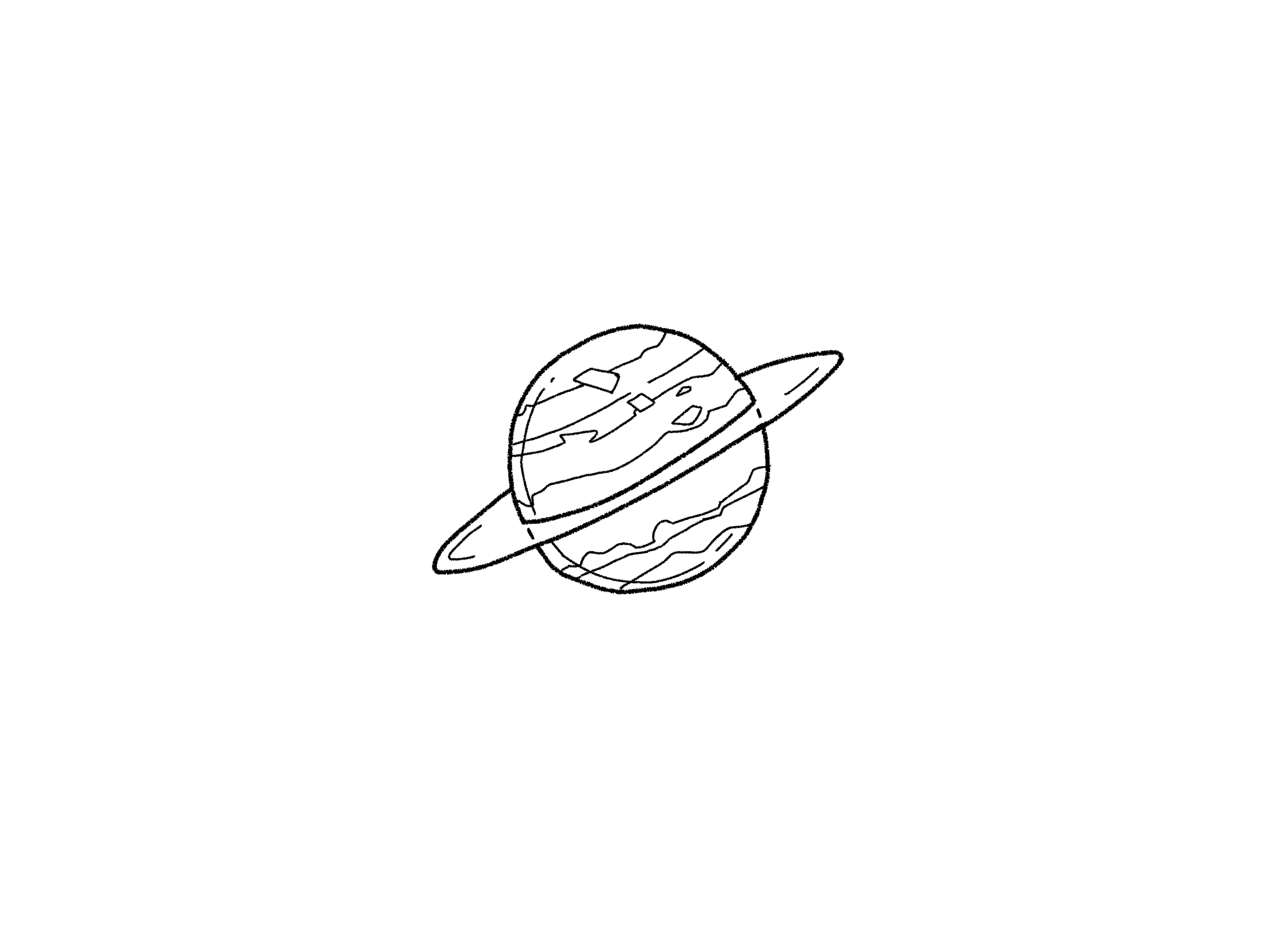
It’s a place. Given the time and resources, somehow, you could really be there. You could exist inside its atmosphere. That said, Saturn doesn’t have a definite surface. Trying to land would send you sinking straight through.
I am not an astronomer, so maybe none of that’s true. My understanding is juvenile; such is the nature of speculation on a planet so removed from what we understand day-to-day. It’s possible for the sight of a vast and distant world to evoke the same ideas as a plastic toy shaped to look like it.
I don’t feel like a planet in size, but in space—adrift in a vacuum. These celestial objects are near enough to be recognised as the full package of a solar system, but they are nonetheless decisively independent. We wouldn’t want them to crash into one another if they could. Everything is small compared to something else. At a distance, the lonely planet spins.
SUBCATEGORY
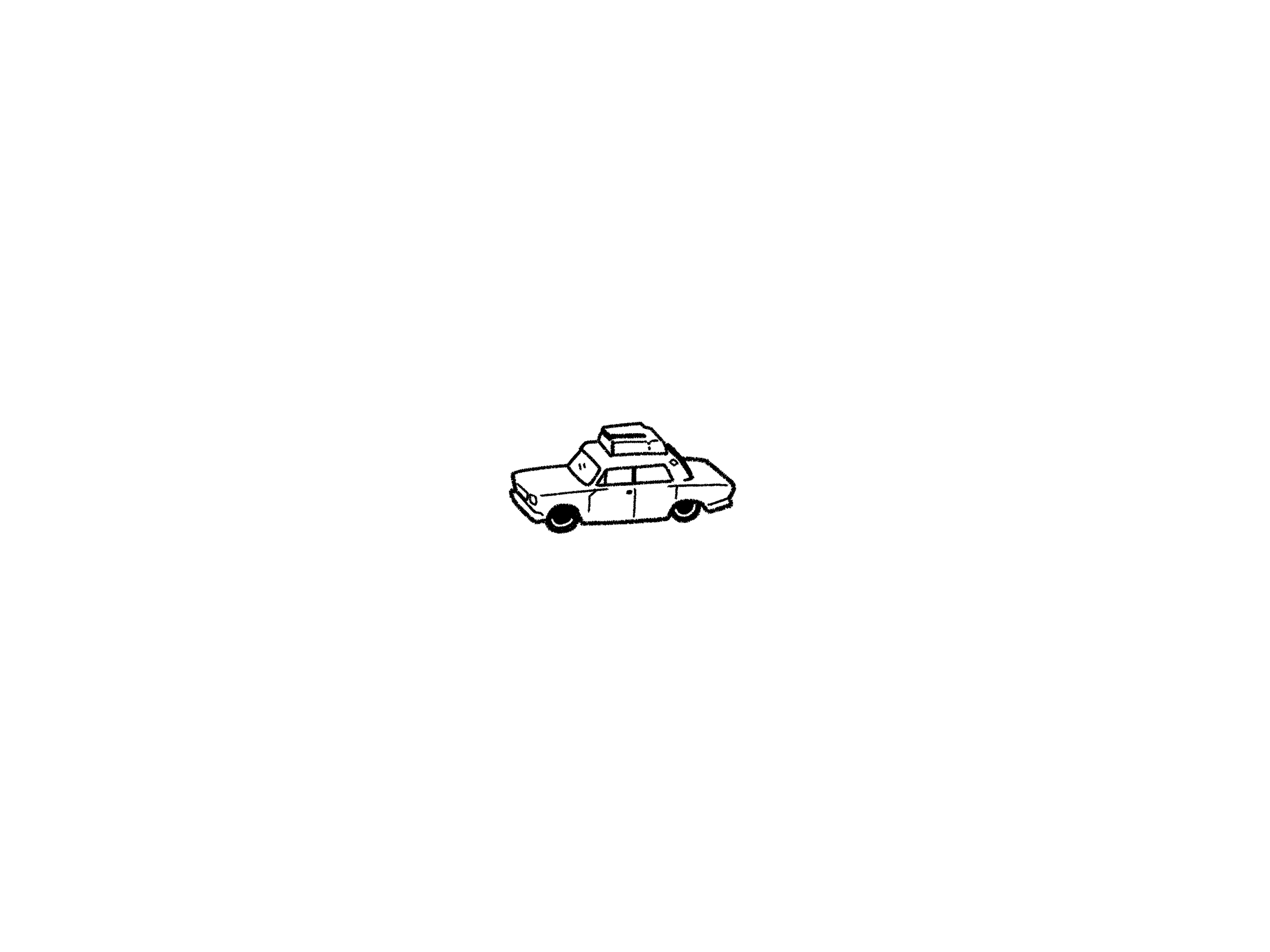
Our car trundles along, the luggage strapped to the roof seeming to weigh things down. The vehicle has more character than it does on the drive to school, or to the dentist’s office. Out here, on holiday, on the road trip up the coast, it feels earthy. These aren’t suburban roads. Now, our car kicks up dust and gravel. There are long paved strips of road in open land, and nothing of note at the ends of them. Our car is painted teal, an indecisive blur between blue and green. It is coloured this way because it’s novel, if not exciting—something different to look at.
Dad won’t let me roll down the window, to get the fresh air. I simply watch the world slipping by. Sometimes, we’re passing rolling fields of crops. Sometimes it’s flat paddocks with cattle grazing, which is sadder. Sometimes it’s vast and rolling dead grass. There’s a lot of roadkill around. This is ‘domesticated land’. I’m getting tired of arid landscapes and when I read for more than a minute the motion sickness sets in.
Where are we going?
Just stop kicking the back of the seat. We’ll get there soon.
SUBCATEGORY
Why do you like art? What does it mean? Is it a practice or a culture? Is it an action or an object? Does art become art when someone experiences it, or is it a larger force reaching through to you via an object containing its powers?
I’m in a garden, carving up colours. I’m picking specks from the body—seeds, sweet as punch, that bloom in thoracic walls. I’m constantly hearing about new species of fruit, about their flavours and climates.
I will not plant the seeds. There’s no room left in the ground for them, and besides, I meet most fruits in the supermarket anyway, miles from the bushes and trees they were grown on. In a few years you’ll taste a peach so perfect it achieves neutrality. It’ll be sold under stark and sterile supermarket lights. You’d imagine the product has no need for its branches, for the roots, for the ground. Do you like it this way?
Is the fruit ripe and ready? Is sterile the same as safe? When you cut it, does it bleed?
SUBCATEGORY
I’ve been thinking these days that I’m running out of time. I’m the clown, laid out on the pavement. I’m the empty record spinning. I’m a thousand books with nothing to say. Nothing can be said; you couldn’t read them if you wanted to.
There’s a sense, and a dread, and a duty. It’s a book, displayed in a glass case against the wall. It’s pages you don’t get to read. It’s real and legitimate and if you’re lucky, you’ll be remembered this way.
Once, there was a tree, and its fruit fell and bled juice, bled all over the linoleum. And the roots started winding through too much ground, so they peeled them out by the stem. See this dead tree, heaped on the concrete floor, isn’t it beautiful? The room could almost have you believing it’s not even there.
What could have been, what I’d liked there to have been. All the potential in the world and what little became of it. The brain looking down at its body, the cover looking down at its page. Now it’s a body too big for its wardrobe. A book too big for its shelf.
SUBCATEGORY
I don’t like talking to strangers. As I understand it, in public spaces we all keep our heads down, and all the better for it. Conversation with a stranger is confronting. To speak is to be surveyed by the other. We really prefer to be watched quietly. A surveillance that keeps to itself.
You never know what a stranger wants. Do they want to kill me? Do they need directions? I’m not familiar with this part of the city.
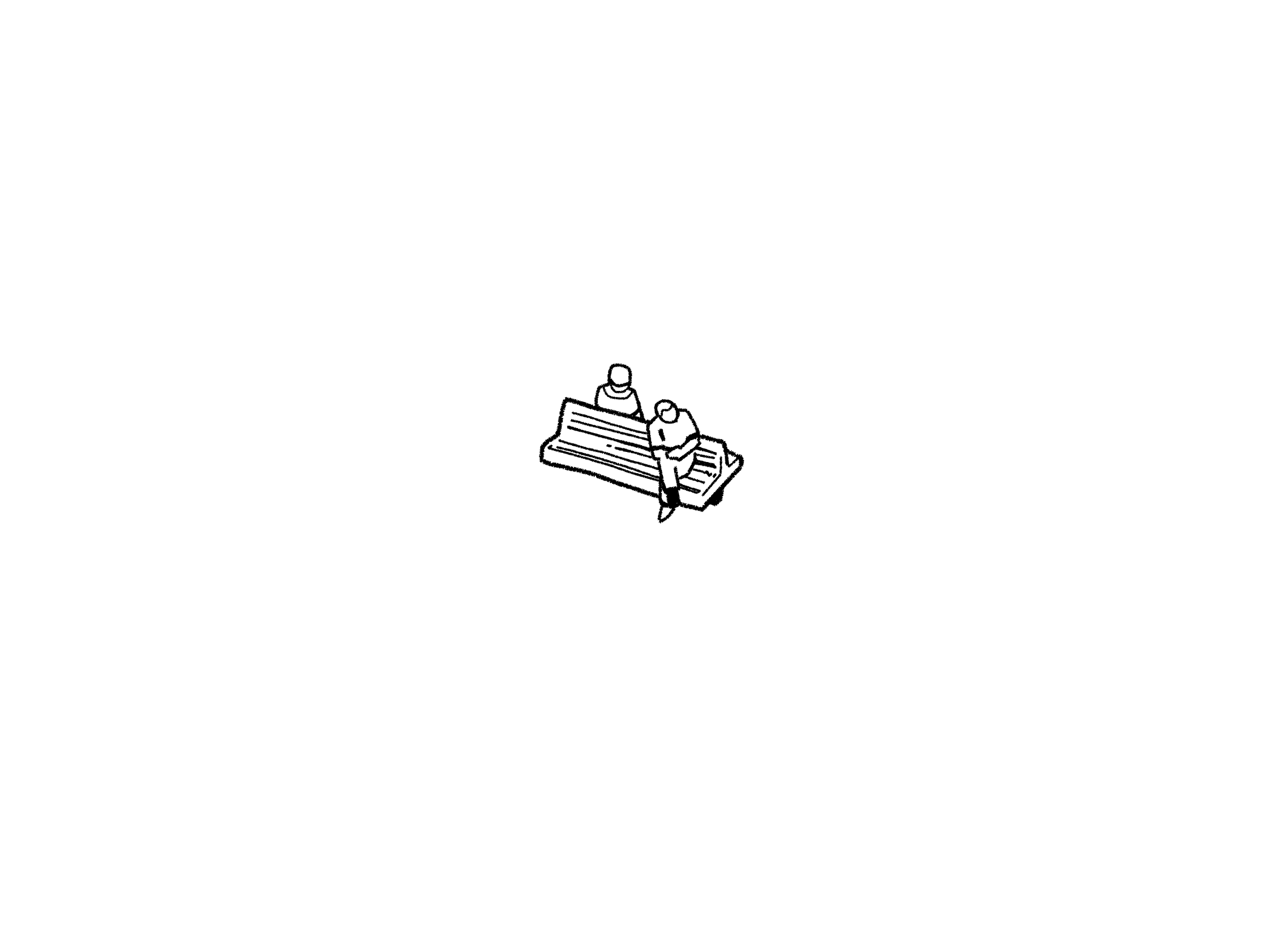
Two men sit back-to-back on parallel benches. One faces north-east, the other south-west. They don’t talk to each other. They wouldn’t be sure how. What is there to say?
Every part of the body can be categorised, but a collection of categories will not make a body. I’m stretched thin and I’m empty and there’s nothing much left to do in this space but to leave it. I have no voice with which to speak to the world in a way that matters. I don’t want to talk.
Art is a voice, and can be silenced all the same—discouraged, unheard, co-opted, misinterpreted. I think this is all about inertia. It’s about our momentum, and movement for movement’s sake. We’re phantom limbs, we’re controlled variables, we’re categories and spreadsheets. We are something strange and alive, severed from its base but still moving, because it knows this all must make sense but just doesn’t know why.
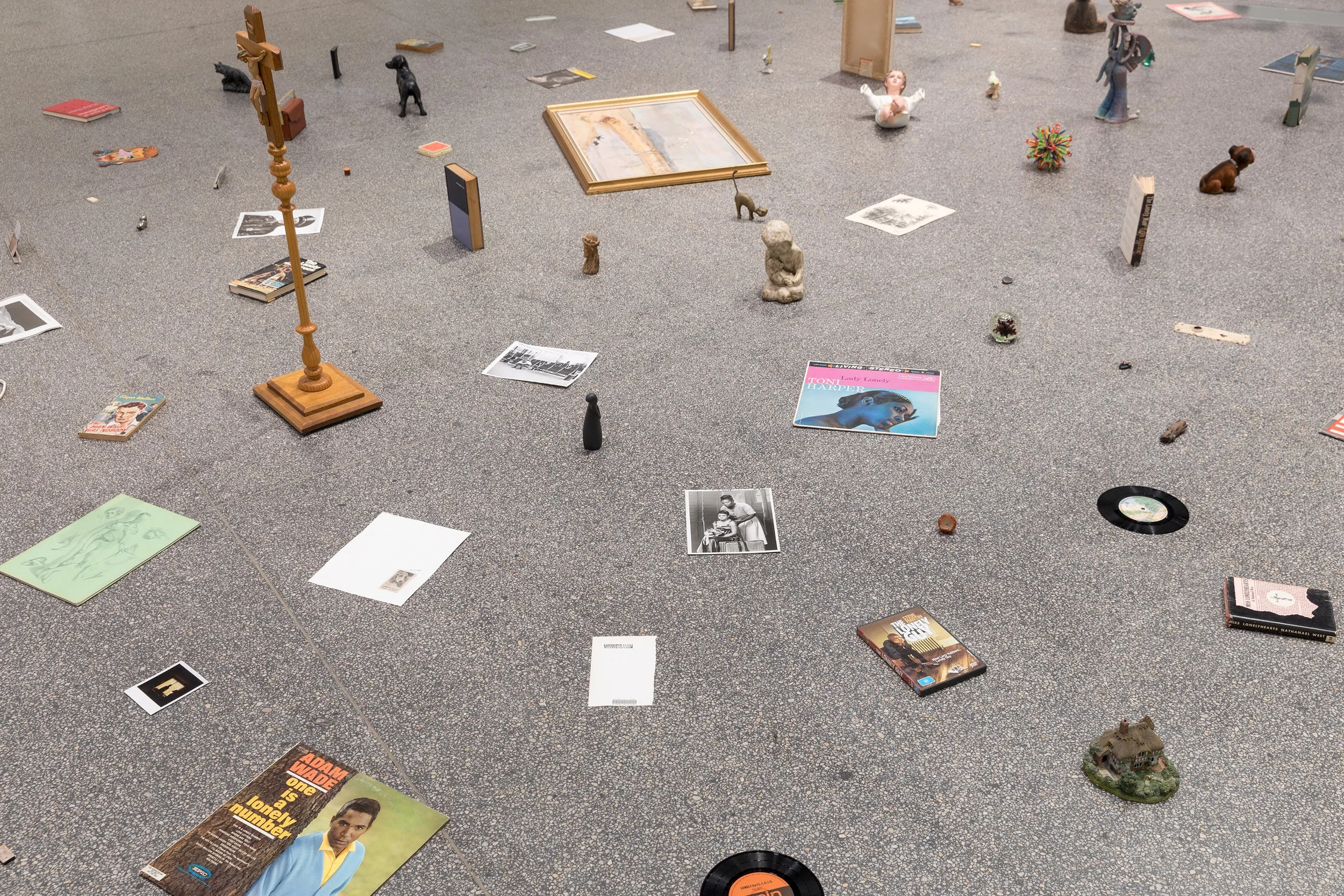
I’m becoming unmoored the longer I stay here, like the men on the bench, like trinkets scattered out on the floor. We’re all somewhere we don’t belong. I looked around at the room and realised all my friends had gone home.
Please just don’t leave without me.
They don’t know what to do anymore. I don’t know much of anything really. The lonely planet spins.