



Welcome to the 2026 edition of Bound
Print publishing has experienced constant social and technological evolution throughout its long history, with humanity constantly crafting new ways of producing written works that can be passed down across generations.
-
From early cuneiform clay tablets used for trade in Mesopotamia in 3000 BCE; to scrolls made from papyrus or animal hide parchment to record ancient history; as well as codices studied and reproduced in religious monasteries during the Middle Ages, innovation has always been key in the development and distribution of writing, literacy and literature. With the invention of the printing press by Johannes Gutenberg in 1440, publishing transformed from a tedious process of manual inscription into a mass-produced commercial industry, reshaping how information is spread and shared across the globe.
Today, the literary world continues to evolve to face new challenges in adopting sustainable practices, adapting to new legislation, confronting social issues and technological advancements, with Australia’s print publishing industry being no exception. With the rise of digital commerce, e-books and social media, the cultural value of physical books and stores has been called into question with booksellers having to discover new ways of promoting their businesses. Growing discussions about equality and representation within the publishing industry continue to make waves within the literary scene. Pre-existing legislation surrounding book copyright laws, pricing and import restrictions have begun to be re-evaluated by both politicians and publishers, seeking to understand what the future of the bookselling industry might look like.
These industry reports have been produced by emergent young writers and publishers working under RMIT’s Masters of Writing and Publishing program on what we believe to be the most influential topics within our industry as of 2026. Seeking to investigate the current state of Australia’s publishing industry, our reports discuss the benefits and consequences of parallel import restrictions and fixed retail price. Investigate the commercial sustainability of small independent presses and booksellers in an increasingly digital world. Growing accessibility of technology for consumers and their rising influence on the industry beyond just purchasing, but also social change. And despite steps against growing imbalance, representation in gender and race continues to struggle against systematic inequality.
Our edition of Bound concludes with a range of findings and insights about the future of the Australian print publishing industry.
Industry
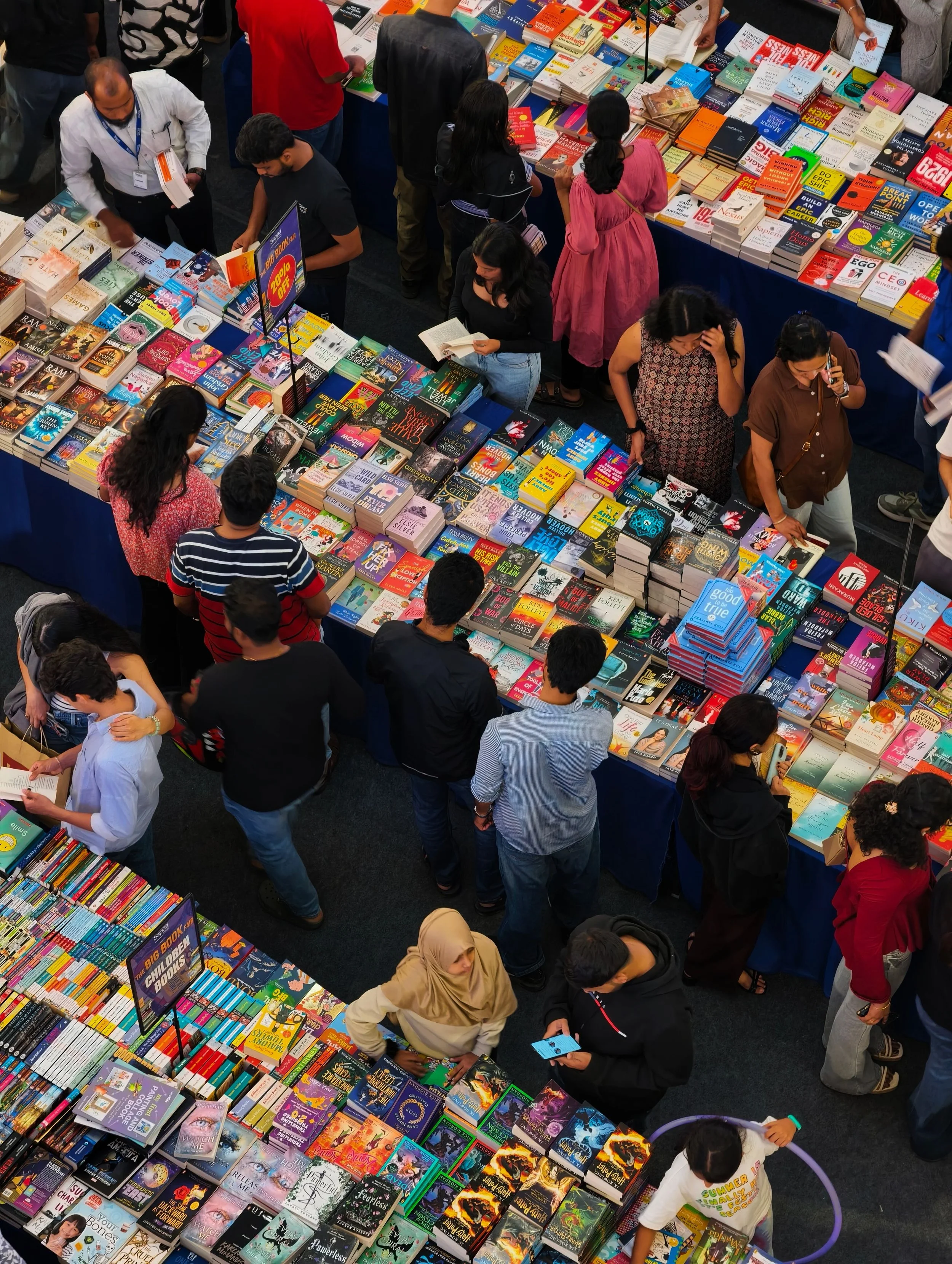
Parallel Import Restrictions
Bridget Mahy, Holly McPherson and Melissa Taylor
An evaluation of the effectiveness of parallel import restrictions across international markets to inform future legislation in Australia.
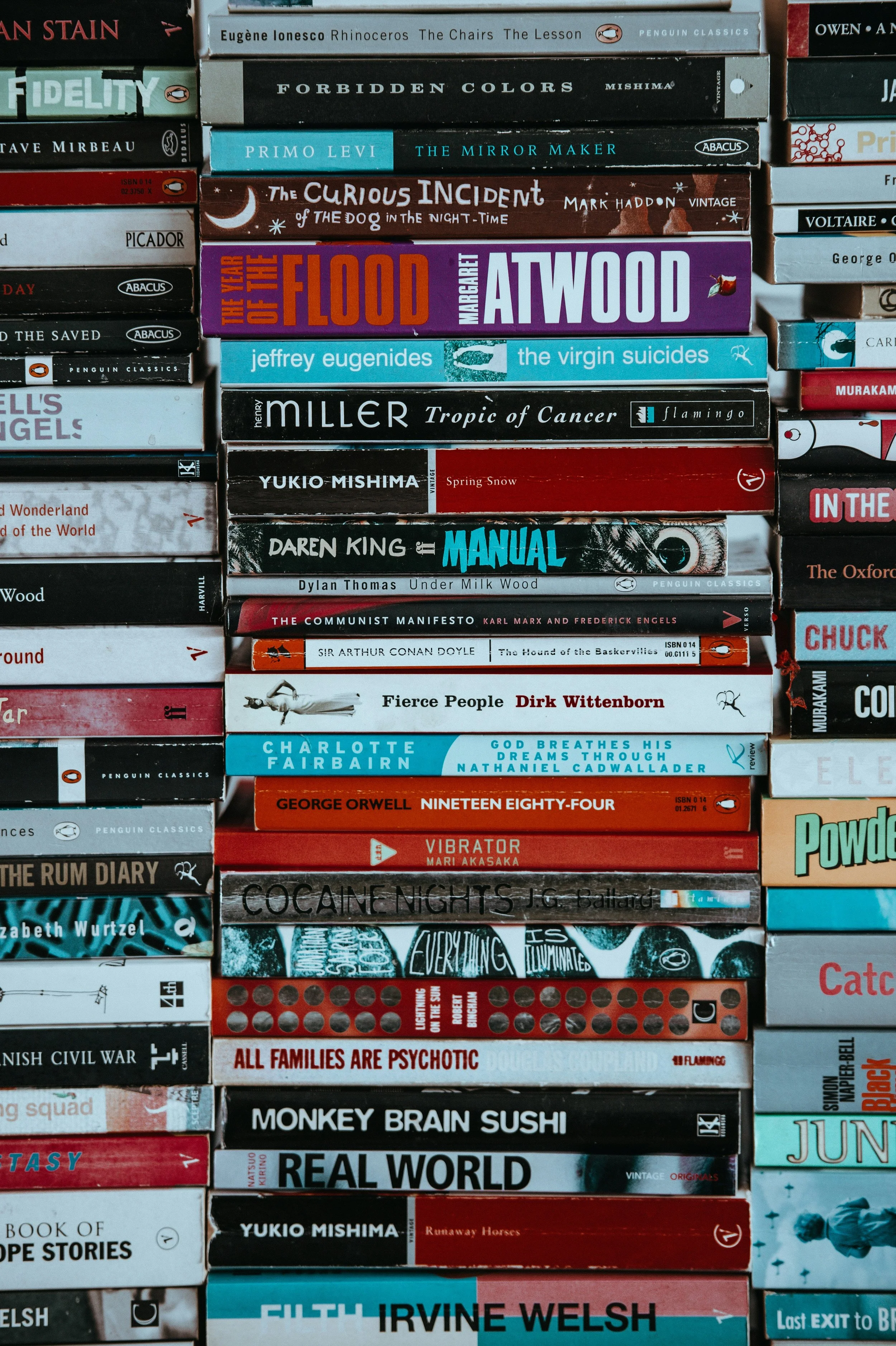
Australian Literary fiction
Madeleine Dunn, Rimini FitzGerald and Riley Orange
An examination of the current state of literary fiction publishing in Australia and how independent presses have reshaped how the genre is published.
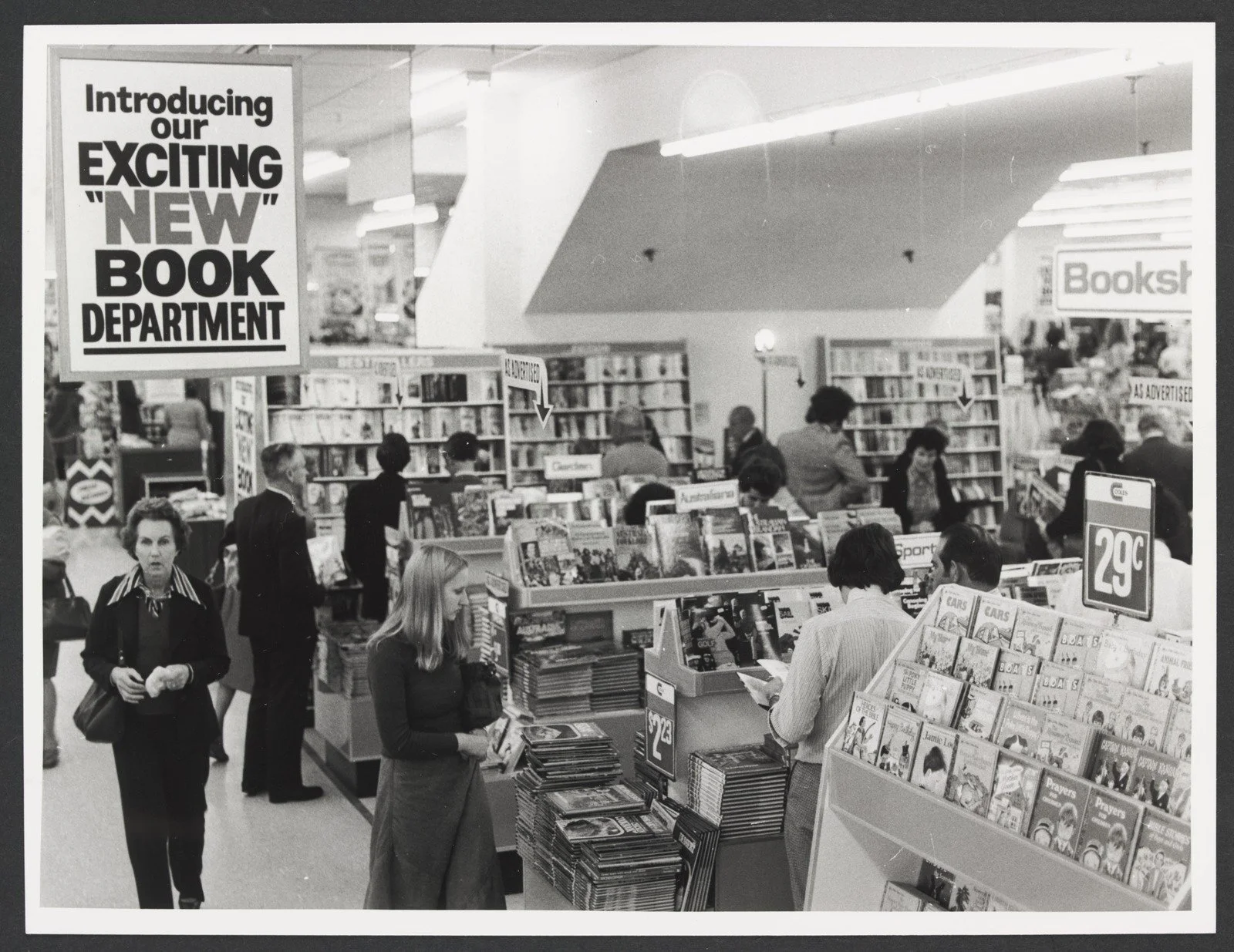
Fixed Retail Prices
Callum Mateer
An analysis of the cultural and economic implications of pricing structures such as fixed retail price (FRP) on the contemporary publishing/bookselling landscape in Australia. Where is the line between commodity and culture drawn?
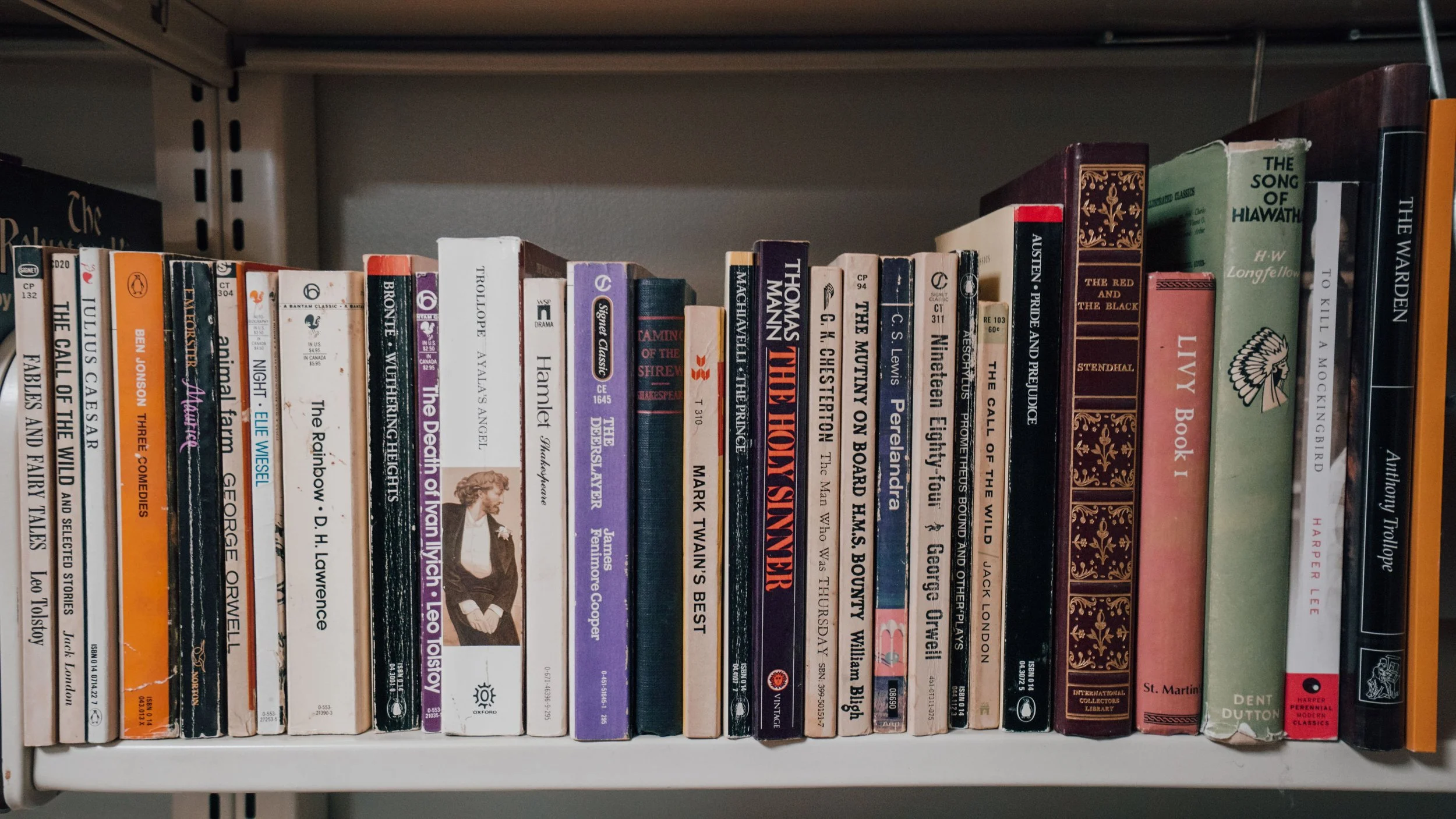
Brick-and-mortar booksellers
Claudia Carlton-Allen, Angelo Koulouris and Sebastian Marie-Paterakis
An exploration of the growth in multinational online book retailers and the growing challenges facing their brick-and-mortar competition.
Intersectionality

The Stella effect
Phoebe Smallwood, Gaia Varone and Jessica Walsh
An examination of the publishing industry's relationship with literary prizes and their use as tools for equality; increasing recognition for historically underrepresented female and gender-diverse writers.

Diverse visibility in Australian publishing
Eryn Mayfield and Katerina Poupounaki
An analysis of gender equity in the Australian publishing landscape through established industry awards, and examining whether their intentional visibility translates into diverse sales.
Influence

Participatory book reviewing
Macy Tofler and Silpa Hariharan
A look at the evolution of review culture with the introduction of reader-generated review platforms and the associated influence on reader choices.

The power of book content creators
Amy Norris, Vanessa Panzarino and Zali Webber
An exploration of the influence of BookTok and content creators in book discovery and promotion. Analysing the challenges in measuring the success of influencer marketing and suggesting ways to strengthen publisher–creator relationships.