The Curator
An interview with Sophie Prince
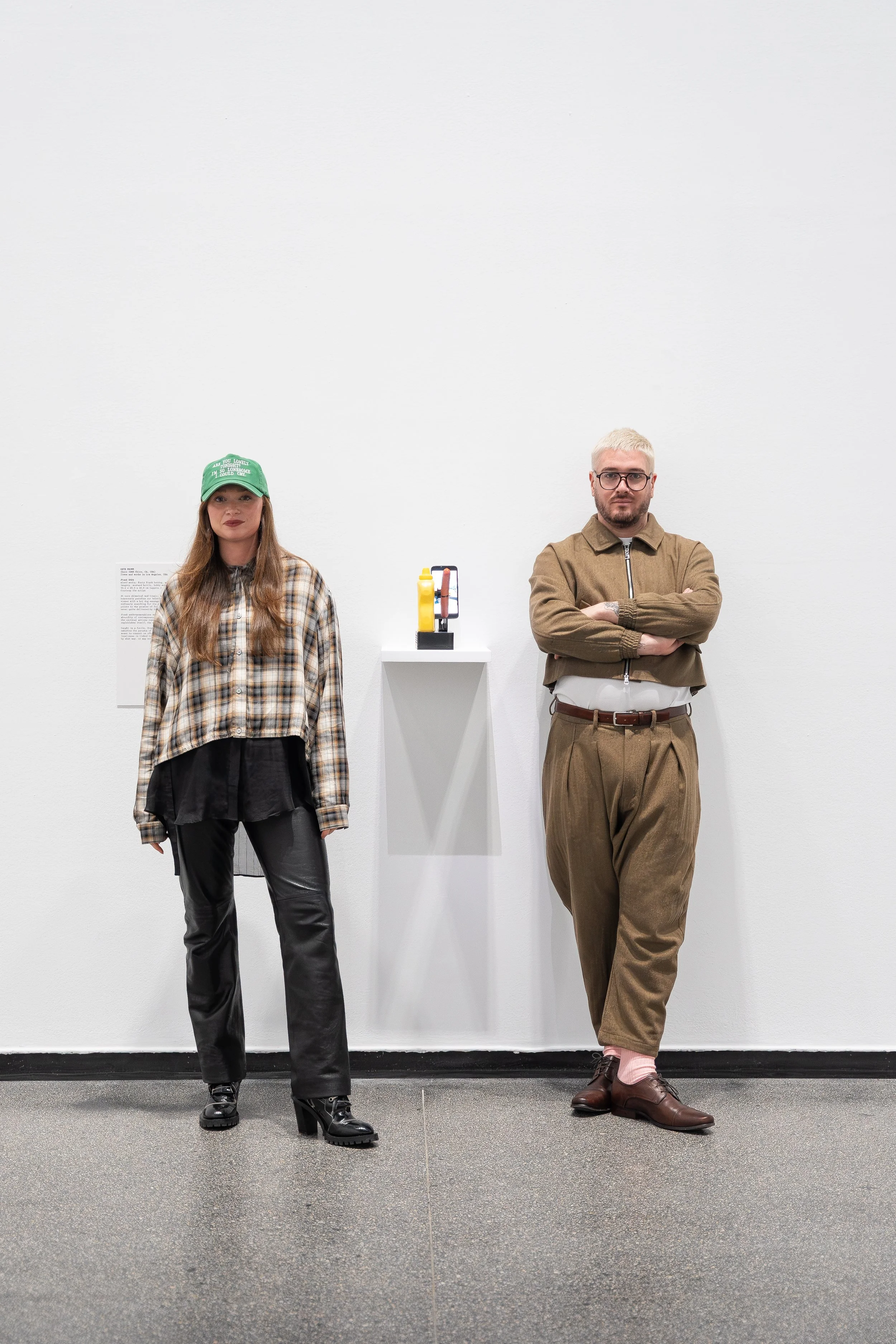
Sophie Prince is the co-curator of Are you lonely tonight? I’m so lonesome I could cry at the Australian Centre for Contemporary Art (ACCA). This exhibition is the first instalment of ACCAs three-part Art and Emotion series, soon to be followed by ‘joy’ and ‘rage’. Sophie recently sat down with us to discuss the origins of the exhibition, surprising reactions and the ways in which her understanding of loneliness has shifted.
Why loneliness? What drew you towards the theme?
The whole Art and Emotion series really started when my co-curator Myles was in LA, just around the time of him starting as director, and thinking about shows that tap into a zeitgeist based on what he’s observed and what he's seen other artists talking about. The show started as being called Lonely in LA, and it was going to be a show about sister cities, Melbourne and LA, because they're quite comparable in a lot of their conditions. And then we realised it was really a global conversation, and it's an online conversation. It's not an experience that is produced in a certain place. It doesn't belong to any one person or spot, but there are conditions that reveal themselves that produce loneliness, and so we wanted to open it up. I think the balance between it being about what Myles and I saw around us—as well as being sincere about when and how we felt lonely ourselves—has really added to the resonance and relevance of doing it as the first iteration of the series.
It's a very impactful exhibition. I loved being there.
Thank you, that's lovely to hear. I think that's been the biggest honor and the aspect of most satisfaction for me—hearing the individual stories that have made up the bigger reception of the show.
Has there been a reaction from a visitor that surprised or stood out to you?
I had one fun interaction when I was in the dark video space: Callum McGrath's exhibition space. I felt a lot of connection to his subject of the lonely dance floor and being alone together—owning loneliness and choosing to navigate through it by seeking out joy and culture and community. I was in the exhibition one afternoon with another artist who's showing in our next exhibition—Caesar Florence-Howard. We were having an under-the-radar conversation, whispering in the corner about where his works were going to go and how the space was going to look in the next show, and this young couple turned around—I thought that they were going to tell us off for talking, and I felt nervous that I’d just ruined someone's experience. But they said to us, ‘It's so perfect and real. I can feel the texture and the dreaminess of being on those dance floors and in those spaces, between intimate moments of connection, feeling rounded but untethered at the same time in that liminal space.’ This couple had just totally gotten everything that we sought to achieve in the work.
Has seeing people interact with the artworks changed how you view them?
I think seeing people interact with it makes it all feel really alive and has woven more nuances into the works for me. I think the tours that I've done have been the clearest forum of hearing people's reactions. Like, this group who were all in their sixties and had different career paths, some of their reactions really surprised me—like them loving Callum's work a lot or seeing Kayla's tapestry of memes and screenshots. Yeah, that was incredible. They were like, ‘Oh, it's so impressive. It's really nice to spend time with that context because the world's changed so much since I've been alive, and the way we communicate has changed so much.’ They have kids, and they're trying to keep up. They told me, ‘It’s nice to have that medium slowed down for you, to have a moment to catch up with that world and think about it properly.’ So many little personal anecdotes are now part of that artwork's story and provenance for me, which is cool.
Has the meaning of loneliness shifted for you during this process?
I was able to meet the scientific chair of the peak body for loneliness in Australia. The peak body is called Ending Loneliness Together and the chair, Michelle Lim, did the opening speech for the exhibition. It was remarkable. She shared stats about loneliness being processed in the same part of the brain as pain, and that loneliness has instrumental connections to physical and mental health, affecting cardiovascular health because you become more sedentary, and affecting the risk of dementia. One in three people are experiencing loneliness at any given time in Australia. Those hard realities just made it tangible to me, more able to unpick the elusiveness of how it manifests.
For me, it's about giving people permission to make time to process or make time to be with a feeling. I think Michelle was right in saying it's not about trying to cure loneliness but moving past its legacy of privacy and shame by bringing it into a public space.
How do you feel when an exhibition ends?
I'm curating the next show, so I feel tired and excited. You kind of want a minute to process, you know? I would have liked to have a bit more energy because I like journaling, writing down my interactions and memories. But I don't feel too bad about it because we've also had so much media coverage, and talking to people like you, so I've still had that diaristic, reflective opportunity. It’s been such an honor to have people be so interested, asking us questions and writing about it. I've been trying to have those moments of being in the gallery and showing people around still, even after the show. Now it’s closed and we're still talking about it, which is great.