
SURPRISE—IT’S FERMENTED!
WORDS BY NATACHA MANOMAIPHAN
The process of fermentation can come across as unusual, perhaps even uncomfortable. However, fermentation is no stranger—it is our friend!
Fermentation can be found in our everyday foods and beverages. You may not be surprised that yoghurt, cheese and sourdough are fermented, but there are a few commonplace items you may be unfamiliar with. Trust me—once you’ve read this, you’ll be acquainted and reacquainted in no time. You’re bound to have tried some of these items, maybe you already have them in your household.
BOOZE!
Now, let’s get into the fun stuff—cheese and wine night? Count me in! This one was a shock to me too. Did you know that alcohol is fermented? I’m not just referring to wine. The list carries on across the globe, each rooted in various cultural backgrounds. This includes champagne, whiskey, gin, brandy, rum, tequila, vodka, beer, cider, soju, and saké. These fermented alcoholic beverages, like all other fermented foods, have a complex biochemical process. In brief, depending on the basis of the alcohol, whether it be cereal grain or fruits, the fermentation process usually involves yeast. It then converts to sugars, which then become ethanol and carbon dioxide. The weird and wonderful nature of fermentation would be a great conversation starter over a cold beer.
PEPPERONI!
Now that we are better acquainted and perhaps a tad on the hungry side, let’s explore a well-known fermented food in Melbourne. Its aroma is immediately recognisable—it’s pepperoni! The fact that this meaty treat is fermented and cured took me by surprise because, well, I have been eating it all my life; I’m sure some of you can relate. The fermentation process for pepperoni includes either being dried or smoked. To expand on this, Italian sausages (known as salsiccia) are also fermented. Salsiccia is eaten in baguettes, on pizza or in pasta. The ordinariness of purchasing these fermented meats shows how integrated and familiar—like a friend—fermentation has been for centuries. These commonly bought items at the supermarkets could be sitting in your fridge.
MISO!
Speaking of fermentation around the world, let’s explore a few iconic cuisines, starting with Japanese food. Who doesn’t enjoy a good Japanese meal? This ferment is perhaps an overlooked accompaniment to most Japanese meals—it’s miso soup! Confession:
I’m guilty of occasionally forgetting to drink my miso soup. But here’s a fun fact: miso has a long list of health benefits. The soup is rich in minerals and includes vitamins B, E, and K. It can also strengthen digestion and gut health, among other benefits. This incredible fermented food is one that I won’t be forgetting next time around.
KIMCHI!
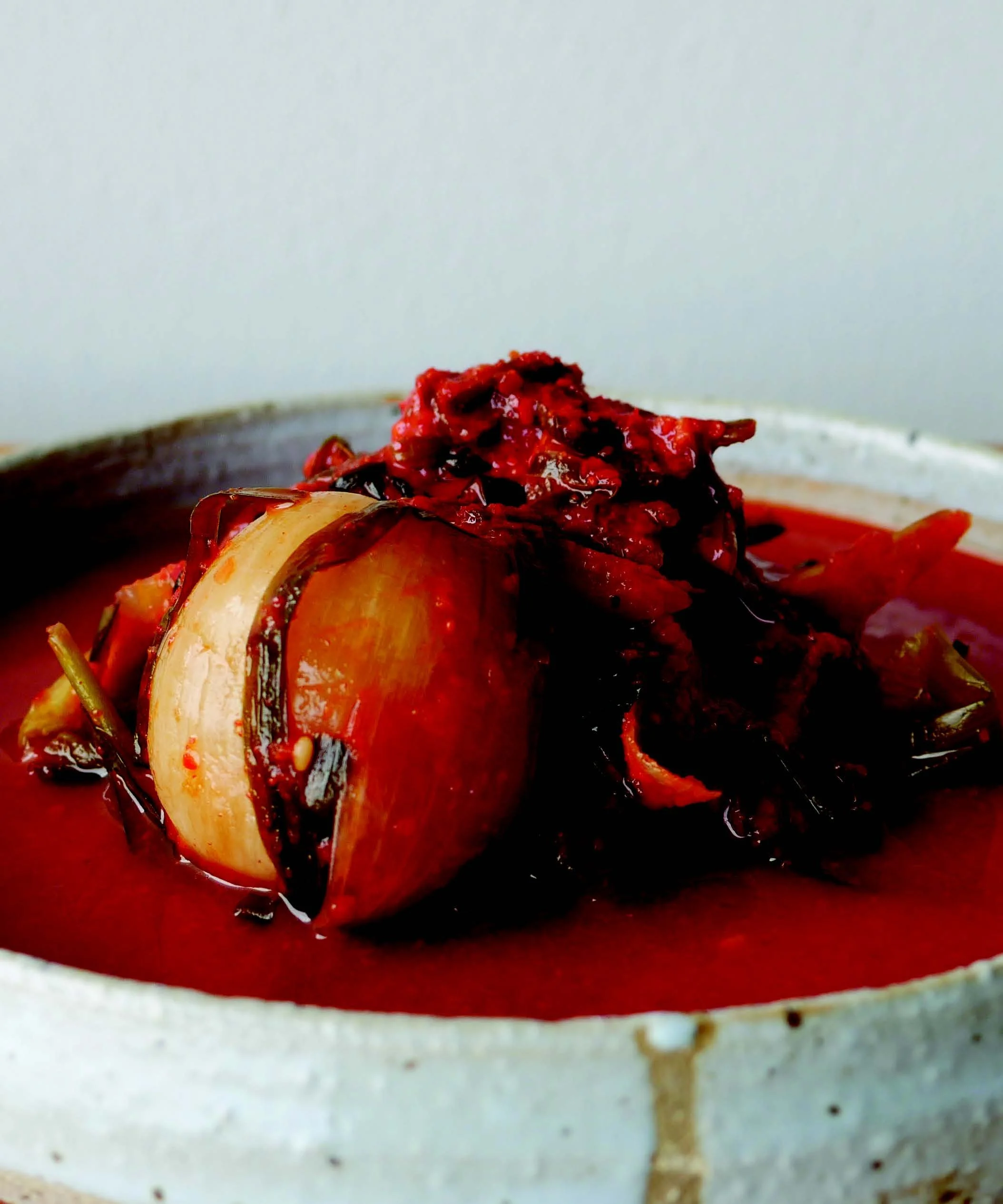
Refreshing and lively, not only in its colour but in its flavour palate too—it’s kimchi. Kimchi is a fermented Korean dish that is a must-try. The simplicity of this dish makes eating enjoyable for all. Don’t let the fiery red colour scare you, kimchi is simply made from preserved vegetables. After your first bite, you’ll surely go for seconds of this classic Korean staple.
Kimchi is recognised for its health benefits by many nutritionists—not only does it strengthen your immune system, it reduces inflammation too. The process of fermentation used is similar to that of sauerkraut and dill pickles, which also undergo the delicate process of fermentation. Fun fact: making kimchi at home is easy—why not give it a go?!
***
This concludes our short-lived journey to discovering our closely bonded friendship with fermentation, and hopefully realising that it isn’t all that intimidating. Fermentation is a natural process that occurs globally. In Melbourne, across the waters to Asia and further afield in Europe, America and Africa, fermentation is a representation of our ancestors and culture as well as our values and beliefs.