
DHAL AT NIGHT
WORDS BY OSCAR RAGG
Solo nights at home don’t have to look like long-forgotten leftovers from the freezer or endlessly trawling UberEats. Oscar Ragg waxes poetic on spending nights alone ensconced in the simple pleasures of cooking for one: spinning your favourite record, dimming the lights, and the freedom of catering to your own tastes.
It’s Sunday night, half past nine. Dark. March is beginning to cool. I jangle my keys in the door, home from the cinema. I had a shift this evening, but I’m nursing a cold—mercifully not Covid—and my voice can’t sustain prolonged use (I’d called in sick the prior morning).
My flatmate is awake. I tell her a little about the film (a wonderful documentary about Courtney Barnett) and leave her to head to bed. We’re twenty-three metres above ground: out the apartment window I see the dark shape of the treetops in Albert Park, and the glint of city lights behind. I put my backpack away, wash my hands, and put one of Barnett’s albums on softly over the speaker. It’s late for a Sunday, but I have nothing on in the morning, I haven’t eaten, and I have the kitchen to myself. Ah. This is my favourite time to cook.
Since I moved out to my own place in the new year, I’ve been basking in a thrilling, beatific freedom of cooking what I want, when I want. My flatmate shares none of my siblings’ fussiness; graciously, enthusiastically accepting whatever I make her. Best of all: nights like this one come along, when the only person to cater for is myself. I value cooking as a process—in numbing, uncertain times these little rituals offer a high degree of control, the satisfaction of gradually increasing a skill, and the promise of being able to eat your reward. It’s about as spiritual as I get.
I turn to an old favourite, given only the produce I always have stocked, and no planning: tomato dhal. As I grab a pot and a chopping board, I also start reaching about the pantry. Turmeric. Asafoetida. Lentils. Kashmiri chilli powder. Smugly, I lift out a shaker of garam masala that I ground myself last week—I made it for a chickpea curry, but it’s satisfying to use it again while cooking recipe-less like this.
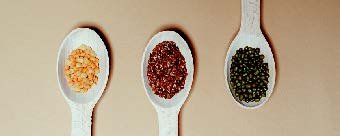
Our produce bowl has what I need, and little else. I’m in a rhythm now. Onion. Garlic. Jalapeno. Ginger. Tomatoes. I bring everything stove-side and rinse the lentils in a sieve—I’m using masoor dal, split red lentils, because they cook incredibly quickly. I consider the cost of this dinner. Tonight, it’s free, of course, as we already had all these things in the pantry, but the veggies and the lentils couldn’t have cost more than a few dollars.
The mise en place comes first, as it must. I pull our Japanese–style knife from the block—it’s hardly a santoku, rather a Coles MasterChef-brand my flatmate got in that promotion they were doing—but it has a Granton edge, with the little divots: it’s viscerally satisfying when the chopped food just falls away from the blade. I use it to dice an onion and two tomatoes, finely for the former and roughly for the latter. I mince half a jalapeno, keeping the seeds. Pulling a microplane grater from the drawer, I get to work on my ginger which is, admittedly, dire. It’s old: light for its size, and consequently not very juicy. I peel it with a spoon, then after grating it I do the same to as many cloves of garlic as I need to match it—about four. Ready.
I light the gas up to a full flame beneath the pot, pull some ghee from the fridge, and scoop a spoonful out. Often when I make this dish I’m eating with my partner—who is vegan—but alone as I am tonight, veggie oil cannot match the luxurious flavour of the clarified butter. As soon as it’s melted, I shake in a couple of whole spices to bloom in the hot fat: cumin seeds and mustard seeds. Shit. Way too much. Rolling my eyes, I press on. With the aroma of the spices clear and strong, I throw in the diced onion, leaning over the pot to smell it again. Mm. Adding a heavy pinch of salt—you’ve got to season in layers, at multiple stages—I leave the onion to soften for a minute or two, as I pack up a few things I’d gotten out. Cleaning as I go makes me feel collected, in control.
With the onions soft, I add the minced jalapeno, and the ginger and garlic. The smell is wonderful now: the ginger, old though it was, is vibrant—and on top of the earthier onion and whole spices, it soars. I let that go, stirring and eyeing it carefully, until it’s starting to catch on the bottom. Tomatoes in. I salt them heavily, more so to draw out the moisture this time—that tomato juice is acidic, and it deglazes the pot for me as I stir it through. Now for the ground spices: I shake over turmeric, Kashmiri chilli powder, asafoetida, garam masala, black pepper, and more salt. Stirring those in, the smell is now rich and complex—identifiable as the final set of flavours I’m headed for. I add the lentils. One cup, and so three cups of water. Bringing it all to a boil, I salt it again and leave it to simmer. Done.
The disadvantage of my lack of planning is that I have no dough made up for fresh naan— instead, I get a little crafty. Cutting a thick slice from our $4 loaf of Woolies pane di casa, I heat up my smallest cast-iron skillet. I pour a generous smothering of extra-virgin olive oil directly onto the bread and spread it across the surface with my fingers. When the slow-heating cast iron is ready, I set it down on the oiled side and fry it until brown. When I flip it over, I hit it with salt—it adheres naturally to the hot oil on the bread. I don’t do this enough. Toast is great, but the olive oil flavour is hard to top, and it only makes for a crispier product.
For a quick garnish, I pick some coriander leaves from a bunch I have wrapped in damp paper towel in the fridge, setting them at the table in a tiny dish. I consider a tadka—tempering some oil with aromatics like fennel seeds and a dried chilli—but I settle for a jar of chilli oil I already have made. The flavour profile isn’t South Asian, it’s Sichuan Chinese—star anise, cassia cinnamon (and maybe a little Korean, seeing as I used gochugaru chilli flakes)—but this meal was inauthentic from the start.
Lastly, I have some Maldon smoked sea salt flakes in a small dish. I’d normally not buy the smoked ones, turning my nose up at a needlessly luxury-coded product like that—flaky salt is already an innately perfect food, like anchovies or sourdough bread—but it was halfprice, and it has proven delicious.
With my toast, coriander, salt flakes, and chilli oil arranged, I plate up my finished dhal in a bowl, and sit down with my dinner. The whole apartment smells wonderful. I breathe a long sigh. Courtney Barnett’s album-closer is playing. I’ve turned off the kitchen lights, and the living room is lit only by a lamp we keep by the table.
It’s a quarter past ten. I’m not at work tonight; I’m sitting, looking out over the park, eating dinner I’ve just cooked for myself. My flatmate is asleep. Ah. She can have some tomorrow.
