
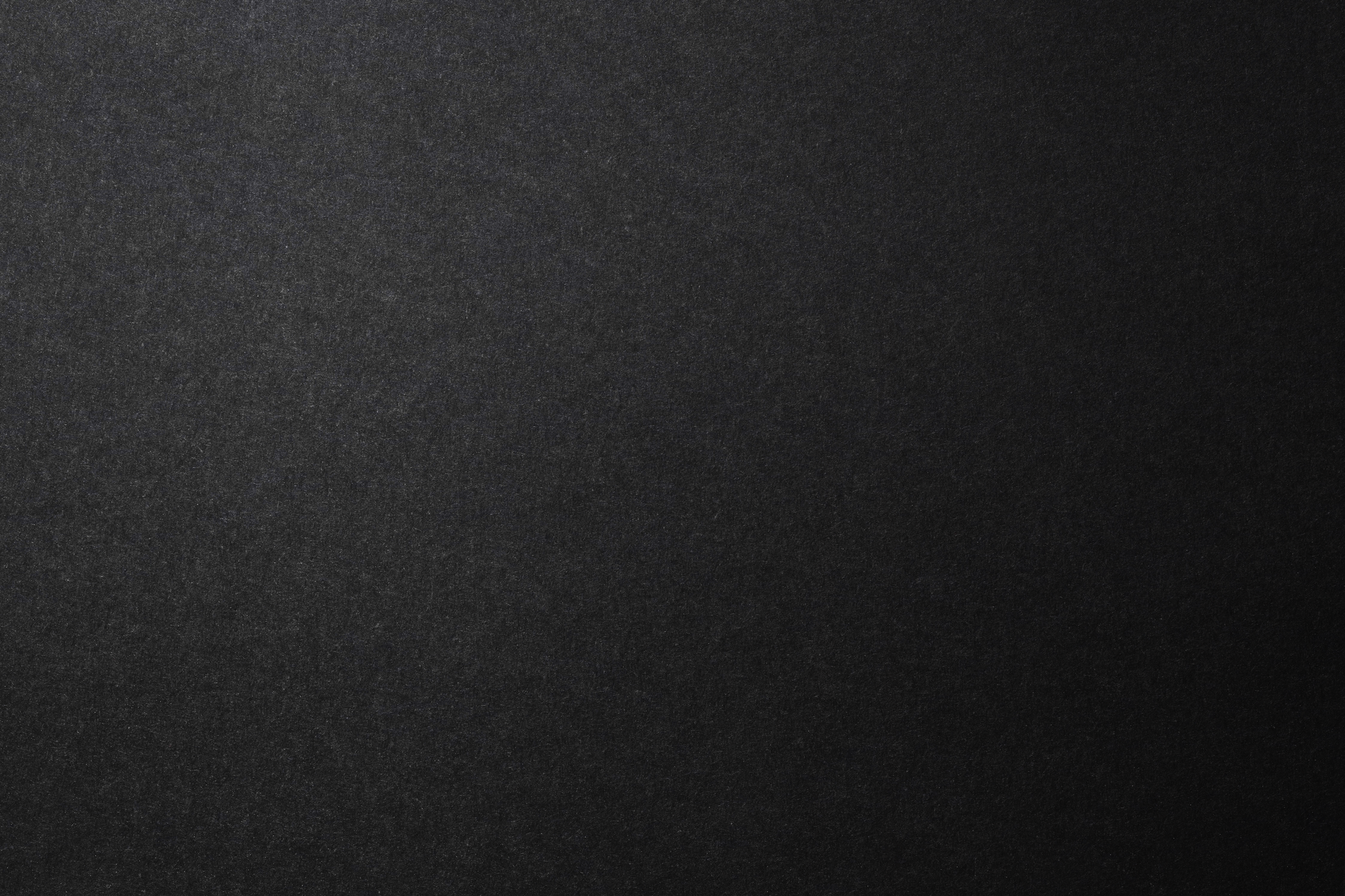
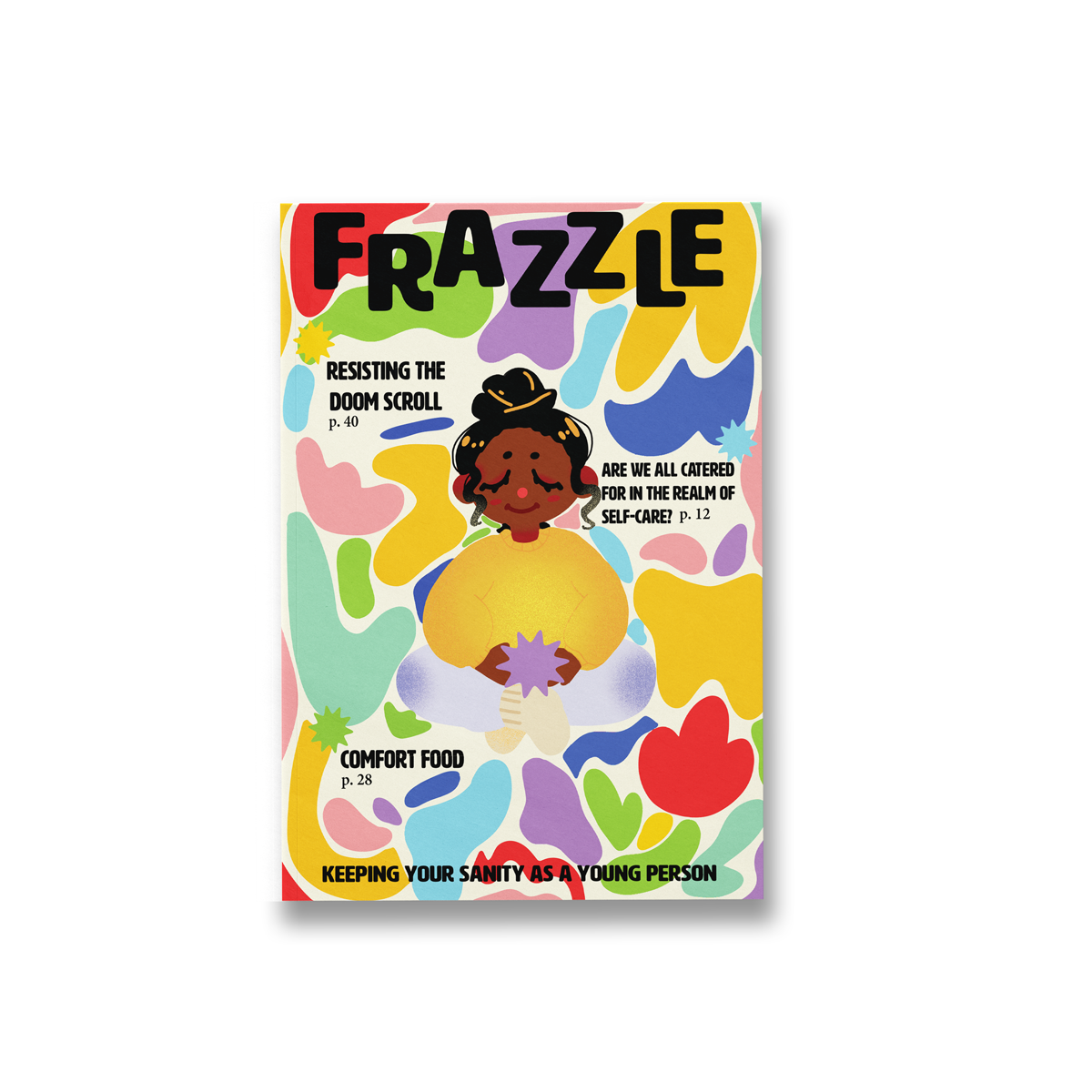
The 21 pieces found within this magazine discuss the pervasive feeling that wellness, wellbeing, and self care are societal expectations that are to be practiced on top of extended work and study hours, a social life, and every other aspect of life. Frazzle considers how to change this.
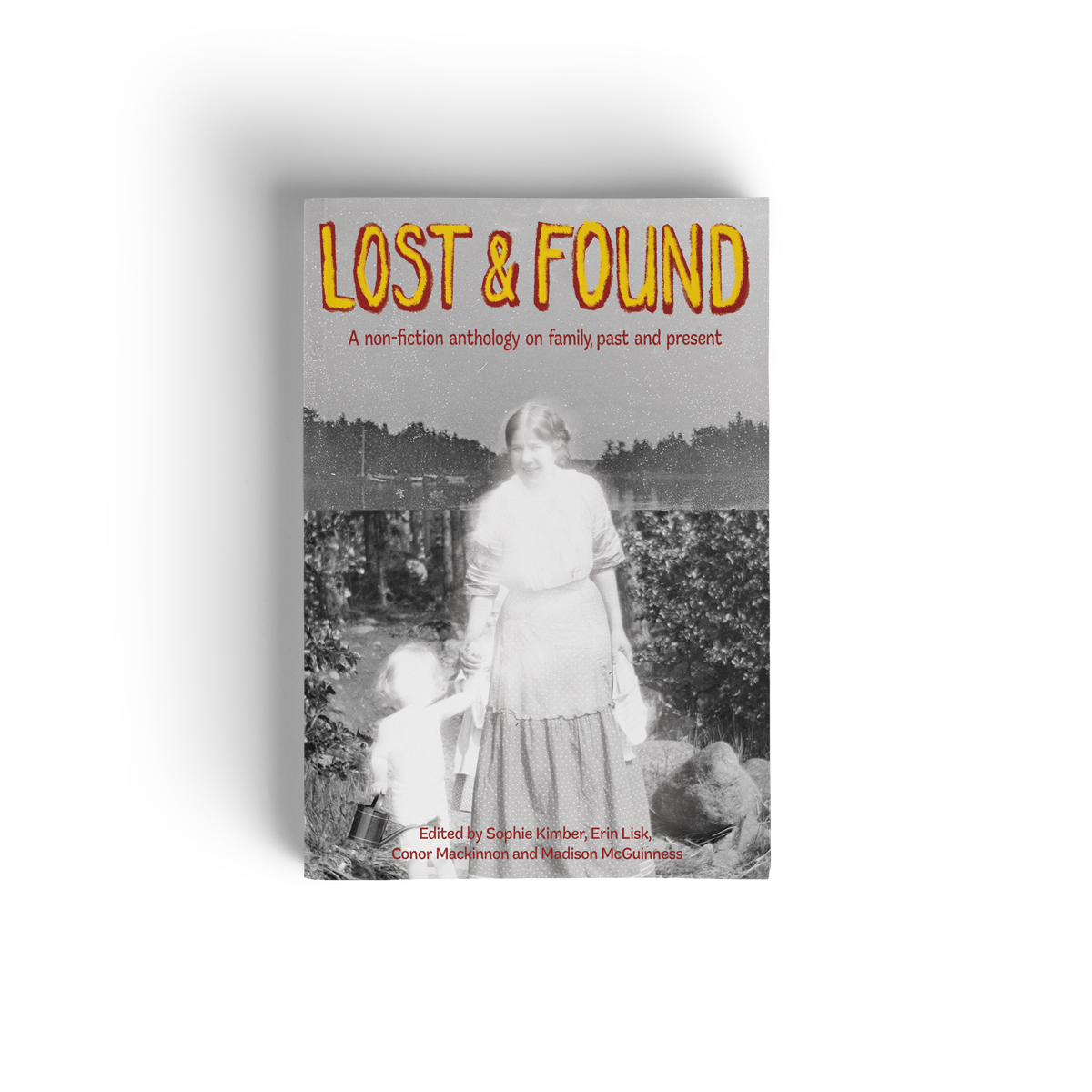
With a sense of loss weaved throughout, Lost & Found looks to comfort, inspire, and incite quiet reflection on what it is that family can mean to you. Across 17 pieces, Lost & Found collects poetry, essays, interviews, recipes and experimental prose that searches for family, lost and found.
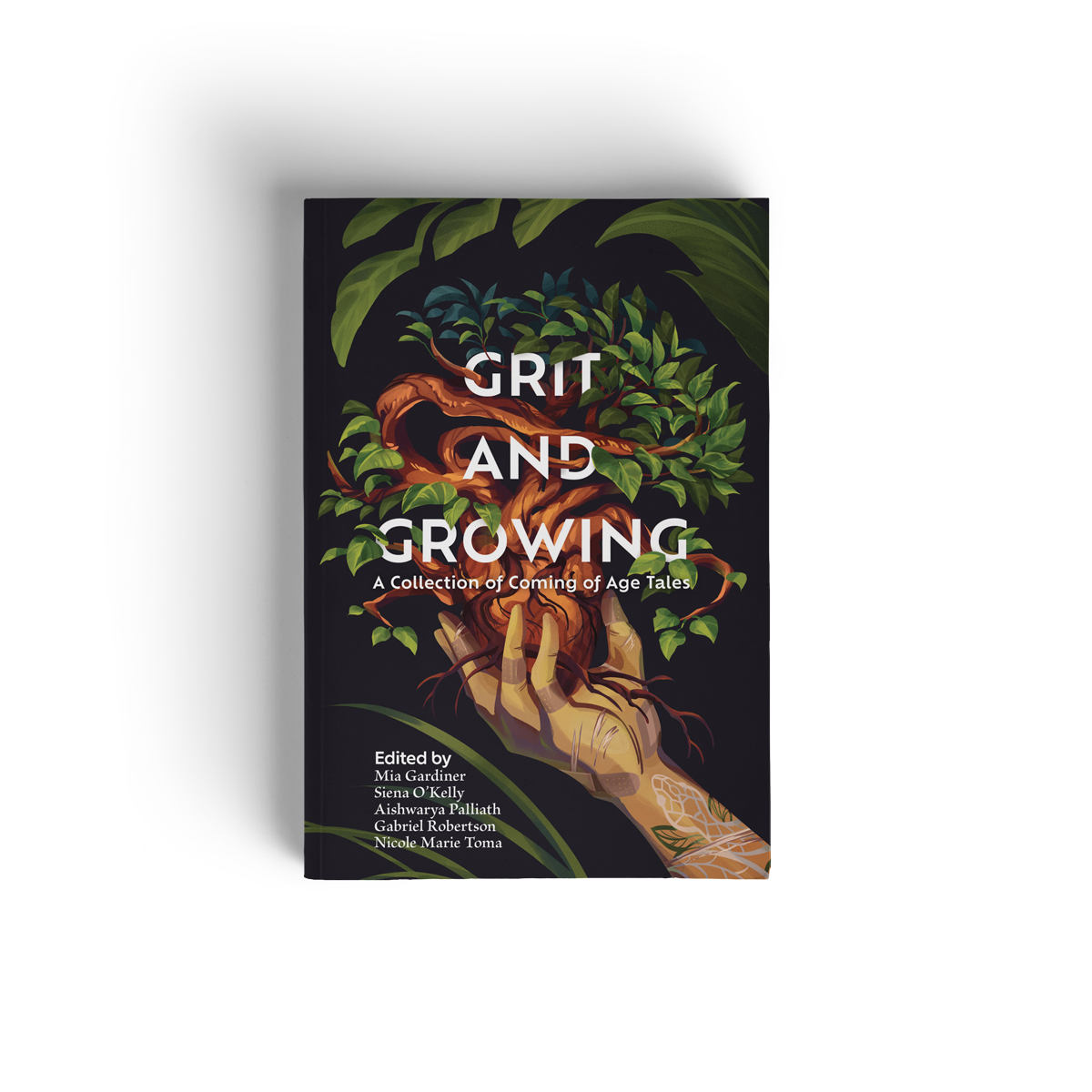
Through 18 pieces of original fiction and poetry, Grit and Growing explores the coming-of-age process in all its gory details. From heartache to heartbreak to everything before, between and beyond, these stories accept that growing up isn’t easy, but coming-of-age can be a whole lot less lonely.
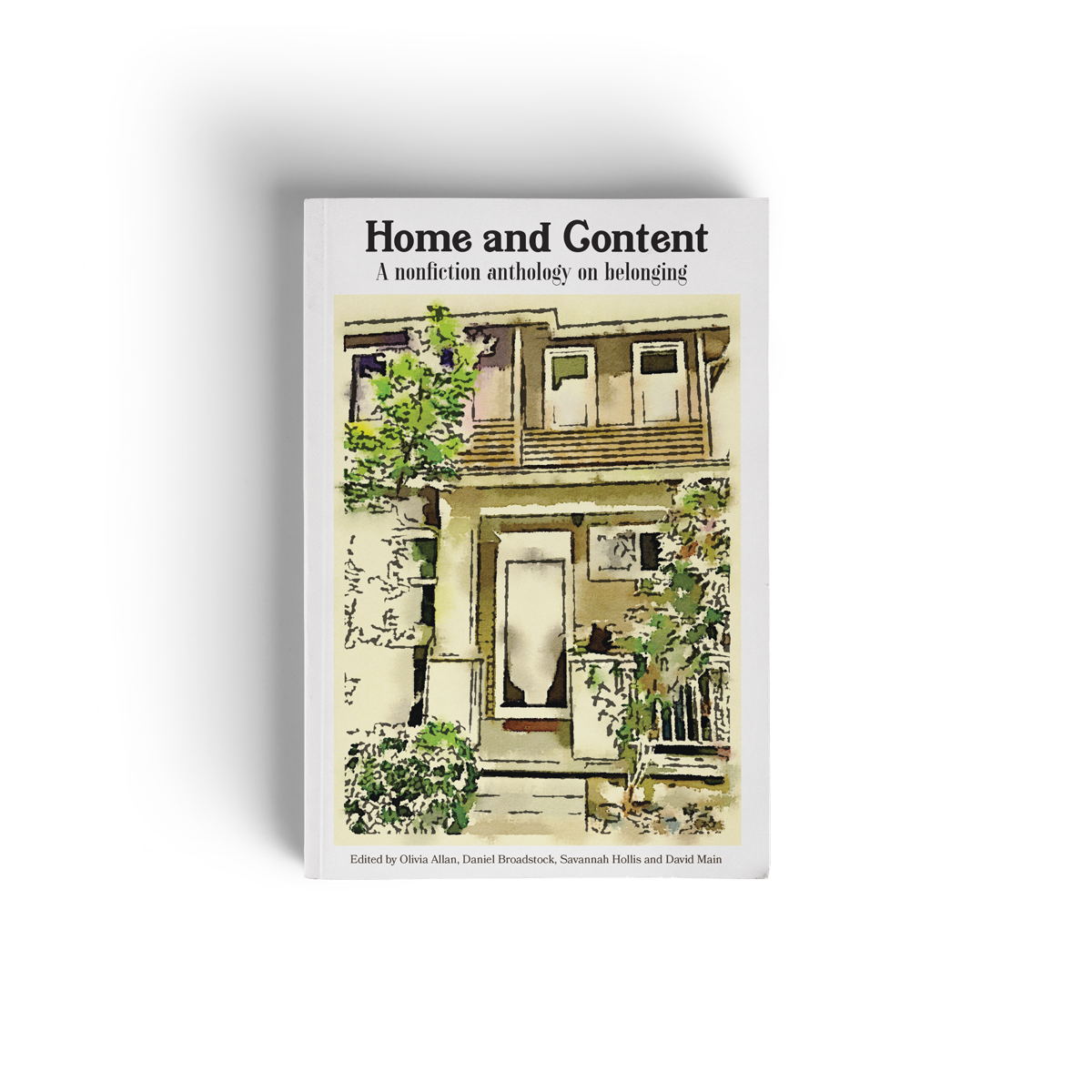
Home and Content chases the elusive and ever-changing feeling of home through short stories, photography, poetry and essays. Throughout these 33 pieces, that unfolding sense of home and place is explored through a lease agreement, a creaking floorboard, a new city and an old love.
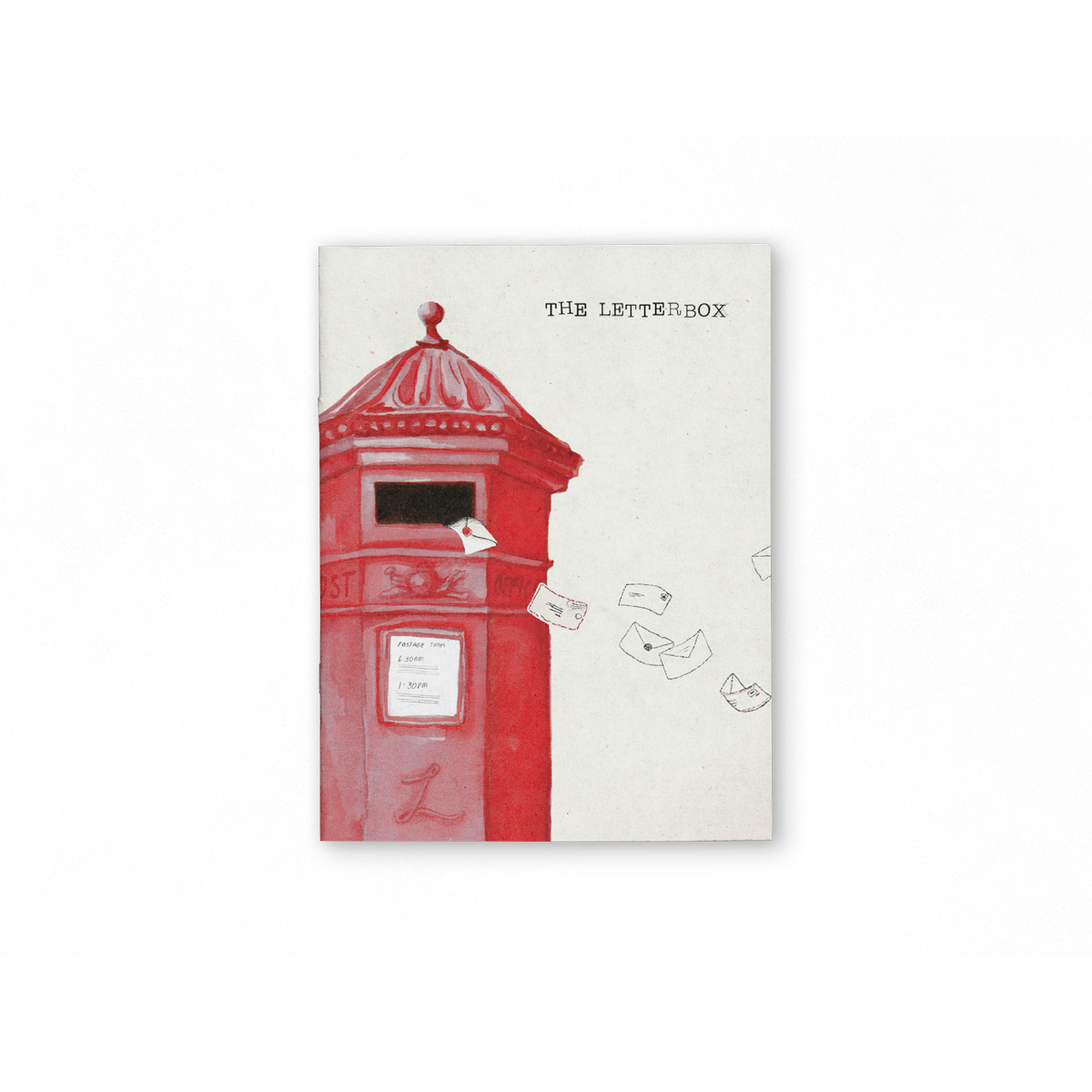
In the word of instant messaging and quick replies, The Letterbox welcomes you to share in the vulnerability of human expression. Letters of love, hope, tragedy and truth await, scattered throughout these pages. We invite you to relieve the nostalgic world of pens and quills, typewriters and songs, hellos and goodbyes.
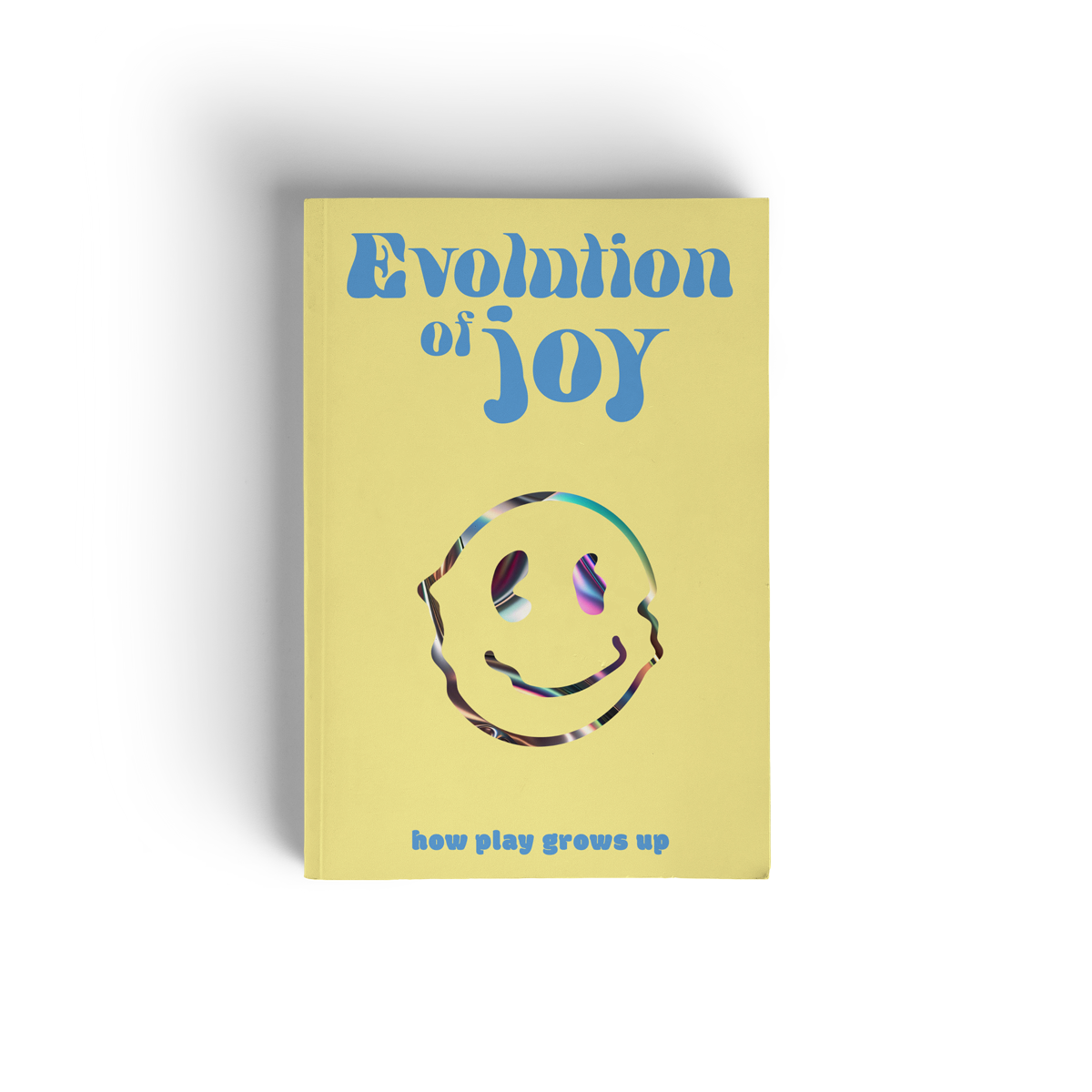
When we were little, it came to us freely, innately, and changed the world around us. But then it all changed. We grew up and the world got serious. Evolution of Joy charts a mixed-media exploration across 23 pieces of imaginations that look to bring back that youthful playfulness and joyful spirit.
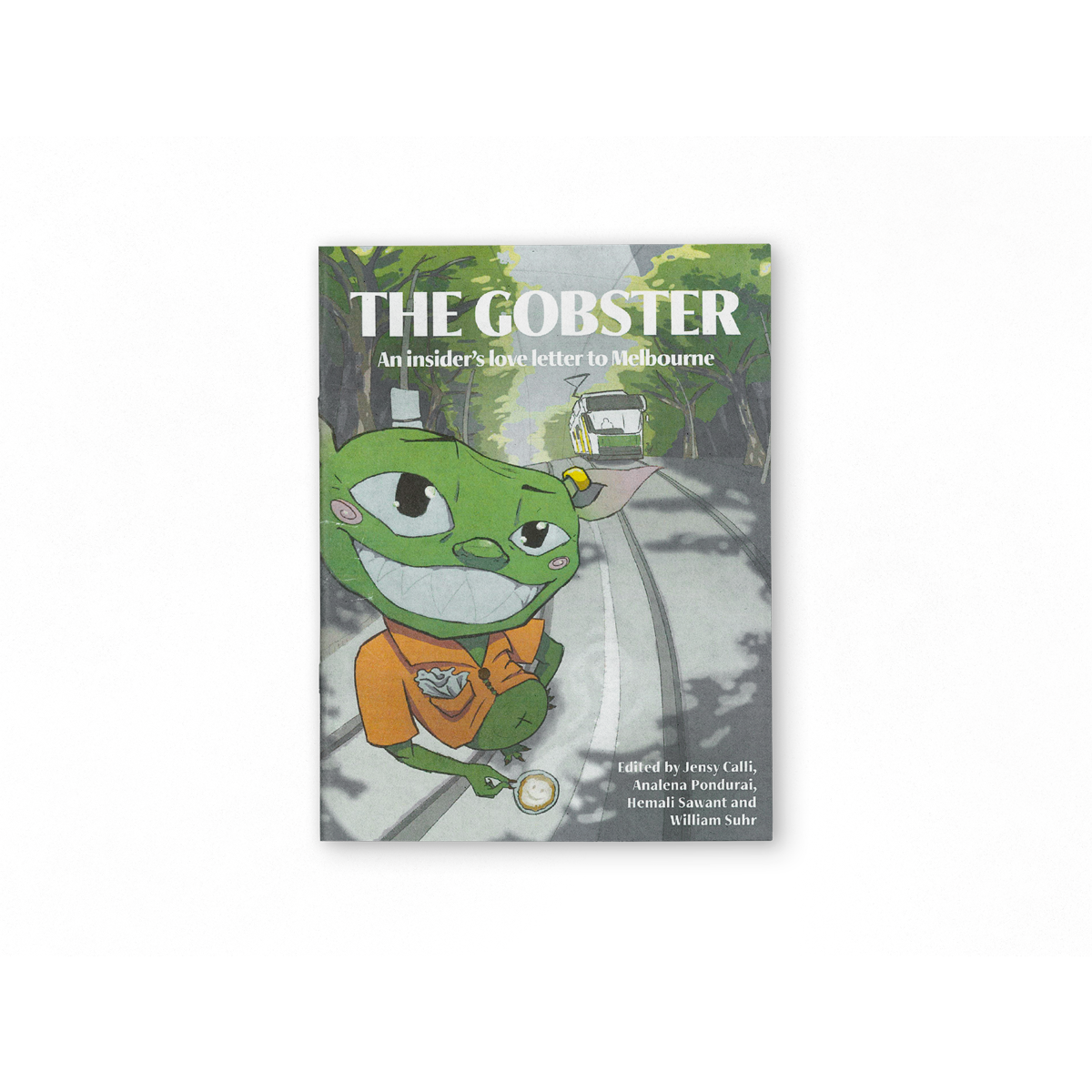
The Gobster lives Melbourne from the inside out. All of these works explore the city of Melbourne, literally and figuratively, through walking tours, coffeeshop recommendations, thrifting, and doing it on the cheap. It’s a local guide, but not just for local people.
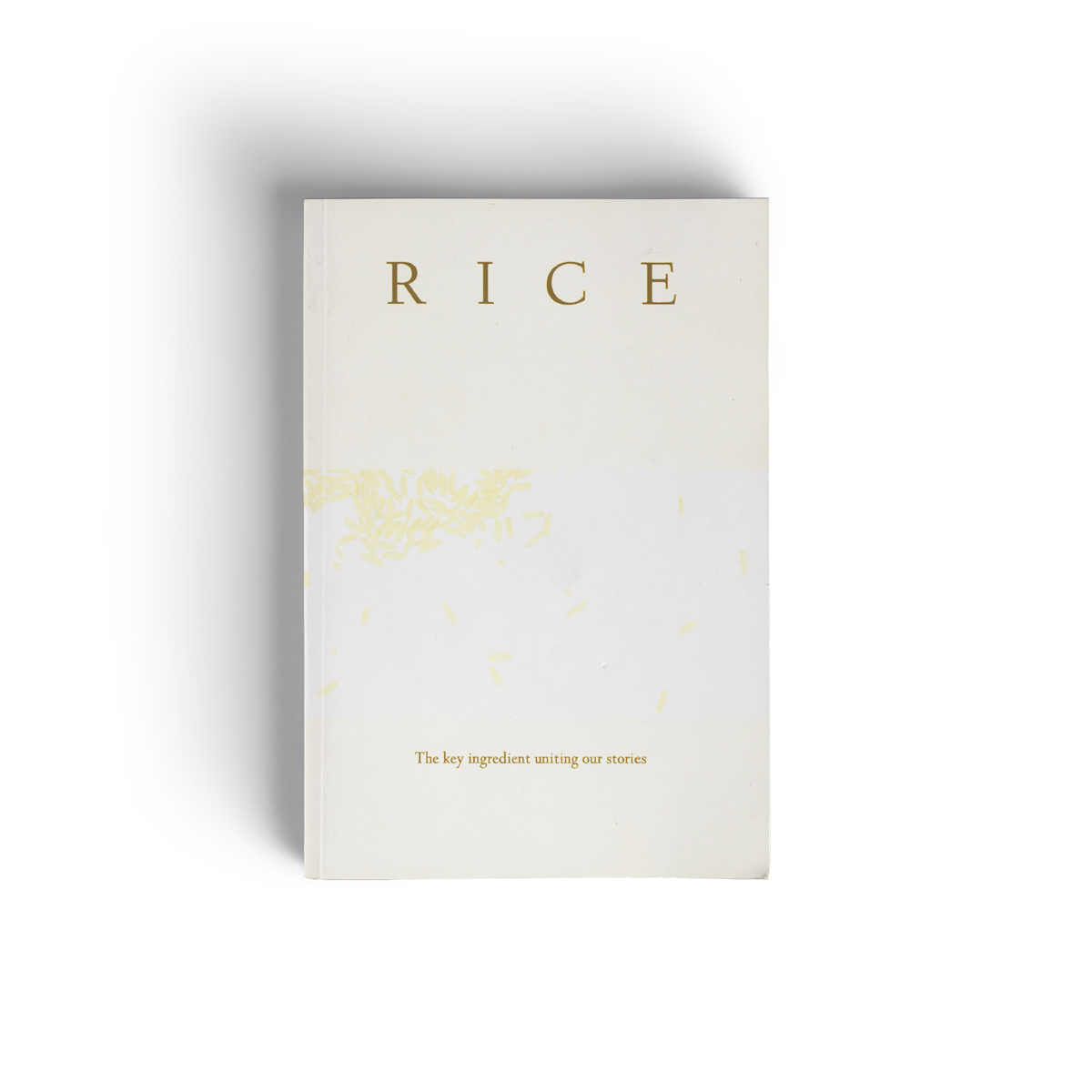
A staple for over 3.5 billion people, a history spanning 9000 years and connecting practically every content—rice isn’t just a grain, it’s the ultimate unifier. Rice is a non-fiction anthology of 26 pieces that takes you from Denmark to Mexico, Australia and everywhere else.
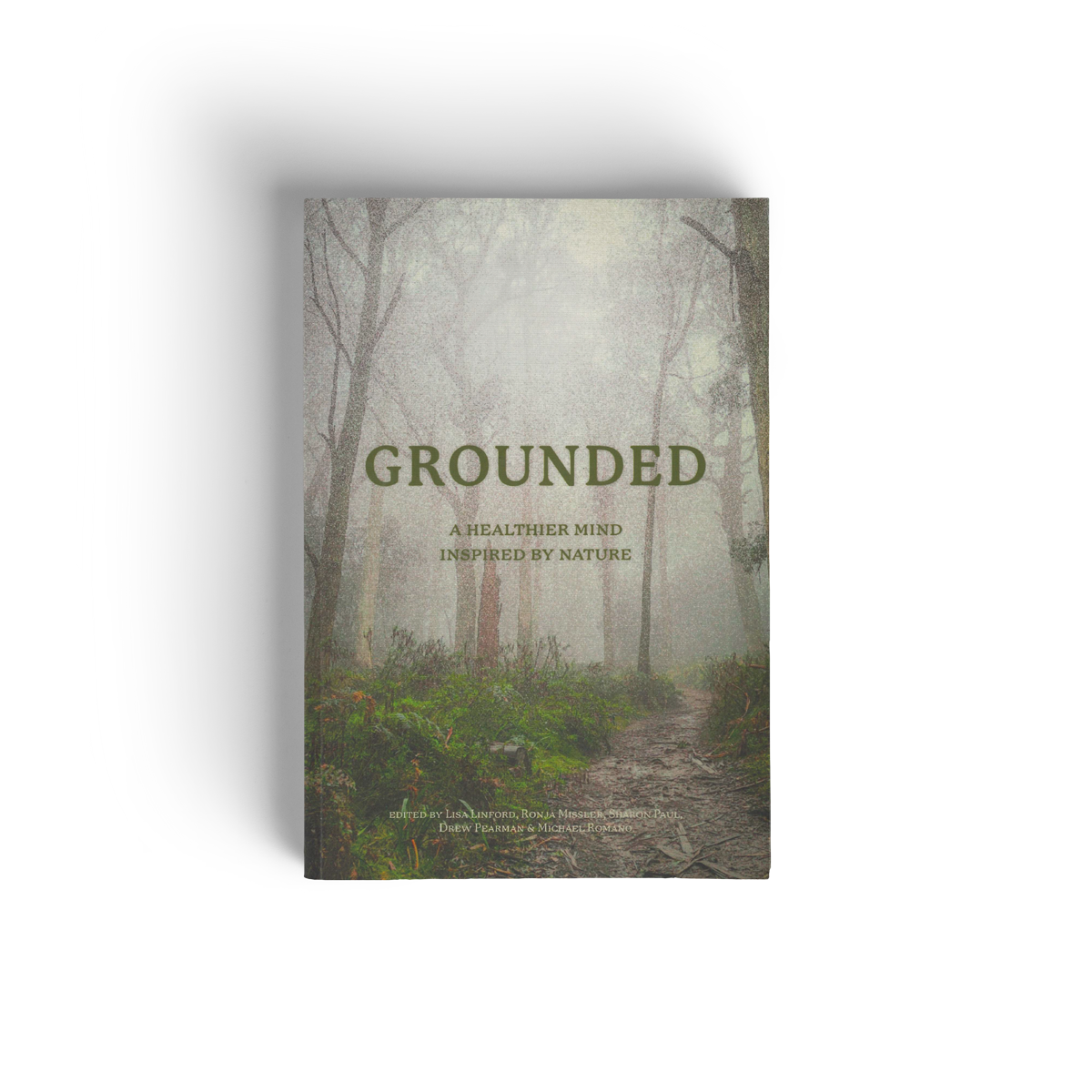
Grounded is a non-fiction anthology that looks to find inner peace through reconnecting with nature. Through 18 personal essays, poetry, and activities, you’ll discover how to slow your heart rate down by reading clouds, hugging trees and forest bathing.
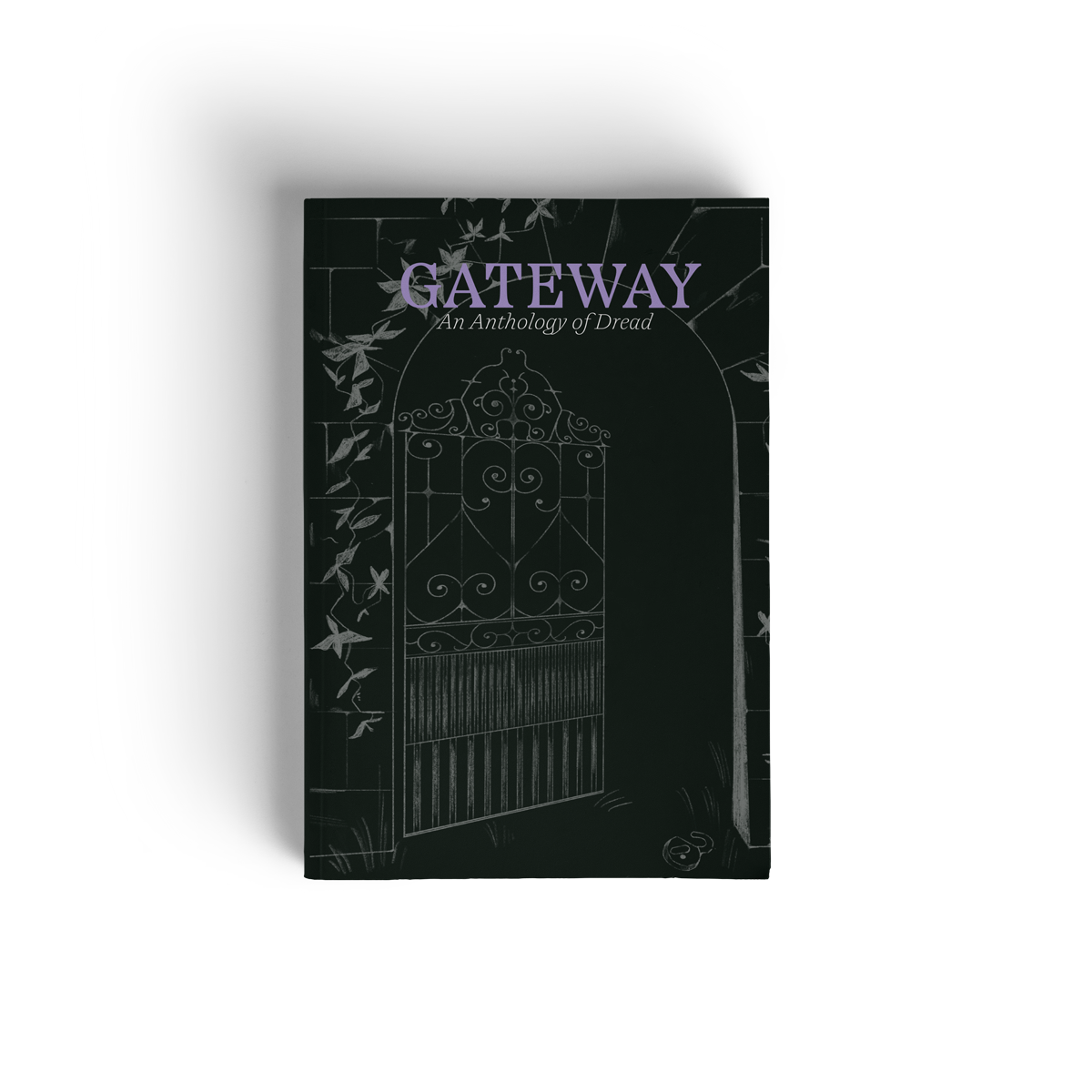
The threshold for crossing into horror is met with such trepidation that few ever take their first step. Through these 11 stories, Gateway looks to introduce new readers to the bones of horror literature, while old cans tread familiar, though still terrifying paths.
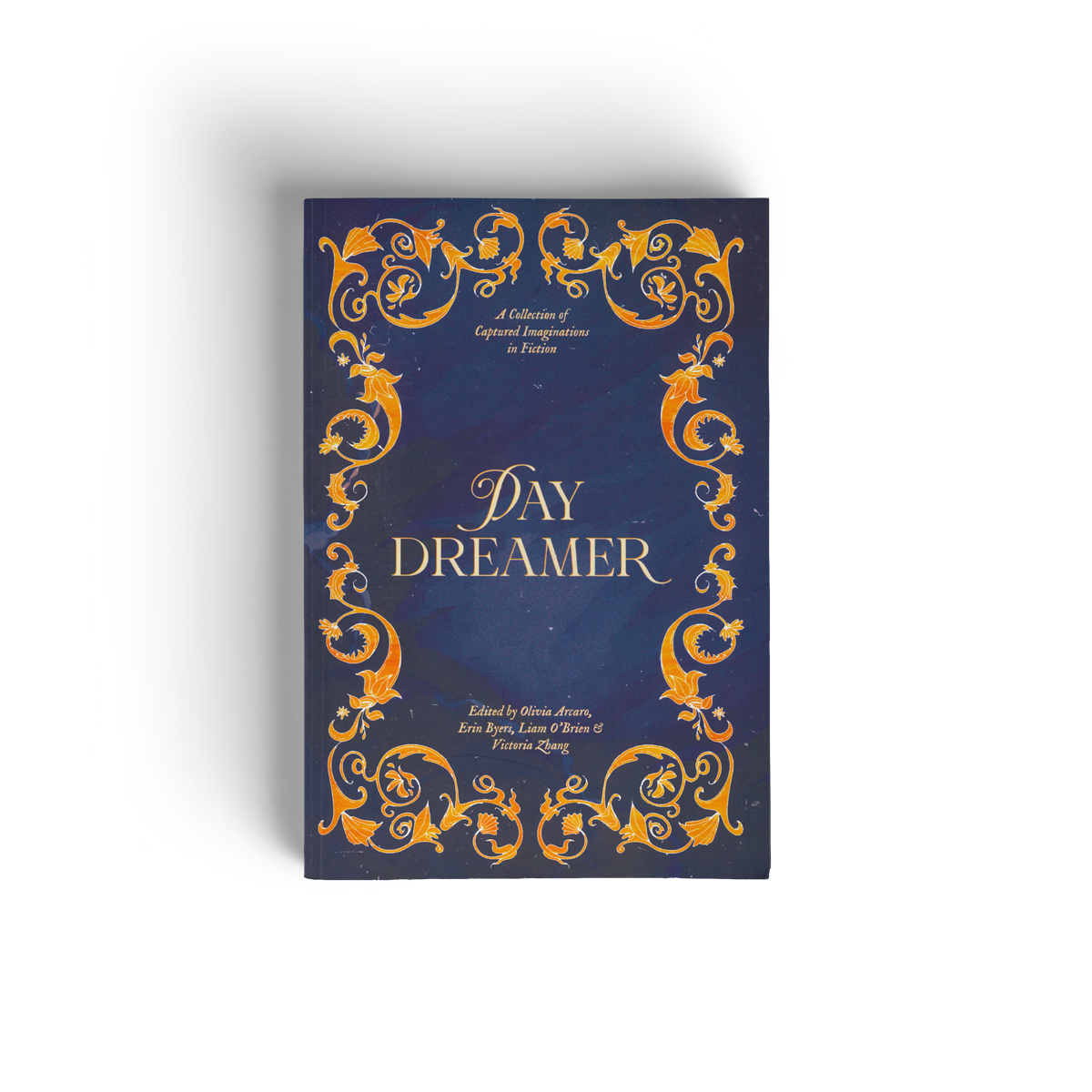
As a cross-genre fiction anthology, Daydreamer looks at the act of daydreaming through the act of writing. These 22 stories traverse internal worlds and what lays beyond them; through fantasy, horror and humour, Daydreamer inspires and envelops.
In 2021 RMIT will launch the Speculate Prize in partnership with Giramondo Publishing. Speculate is a new national award for an unpublished speculative fiction manuscript, sponsored by Whispir and supported by the Speculate Literary Festival.
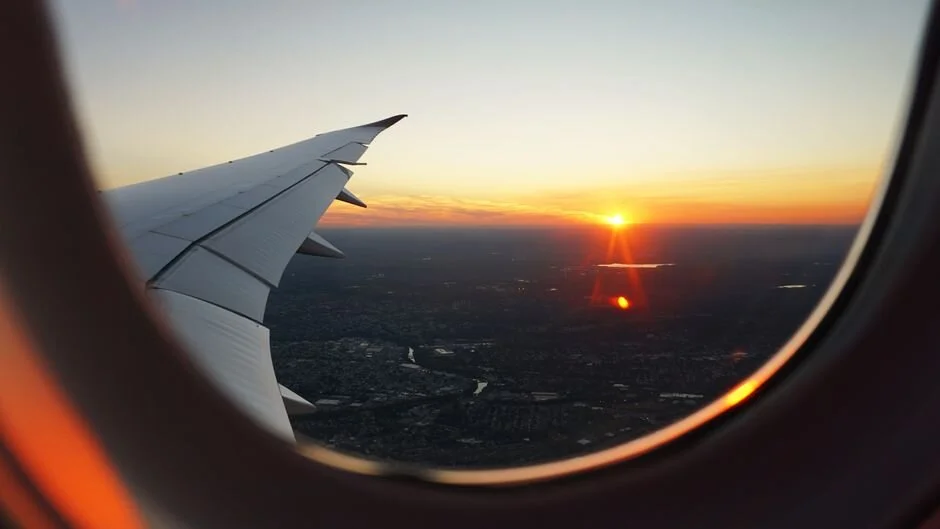
Can you even be a travel writer anymore? A successful one? A good one?!
Certainly, in this current climate of unpredictability—the ‘will they, won’t they’ of lockdowns and border closures—you’re more likely to garner followers, likes and clout for writing about sourdough rather than seeking, soaking or sunning

I’ve always been fascinated by the spell a good yarn can cast over you but it wasn’t until I studied screenwriting that I actually understood where that magic came from: structure.

Once, in the middle of the night, I watched a Youtuber try to live one week of their life according to Haruki Murakami’s writing schedule.
For such a young medium, podcasting has already developed such distinct cultural markers; the close-mic breathy voice to mimic intimacy, the affectedly natural banter to start the episode, the fourth-wall-breaking nods towards the production and editing that goes into it (‘we’ll fix it in post’).

On 15 May I met my classmates for the first time. It was a Saturday and, after months of online lectures, ‘break-out room’ activities, and virtual roundtable sessions with writing, editing and publishing professionals, we gathered together at the Bowen Street Press for an intensive masterclass…

I was lucky enough to get to work closely with Anna for the months leading up to the issue, after the magazine accepted a work of mine for their first 2021 issue.

When I signed up to be on the working group for Hardie Grant’s ‘Spark Prize’, I did so with the belief that I was going to be getting valuable experience in the publishing industry.
Since Melbourne’s recent emergence out of restrictions, I thought it was about time I knuckled down and found myself a "real" adult job. I desperately wanted to end my hospitality career, to stop picking up empty glasses and serving rowdy drunken people at AFL matches, and secure a role within the editorial industry.

In the 1996 movie Fargo the movie opens with the following text:
> ‘This is a true story. The events depicted in this film took place in Minnesota in 1987. At the request of the survivors, the names have been changed. Out of respect for the dead, the rest has been told exactly as it occurred.’

The Spark Prize is a new biennial joint venture between Hardie Grant Books and RMIT Writing and Publishing, which aims to foster talent in the narrative non-fiction genre and provide the successful applicant with the essential tools they’ll need to drive their book proposal to publication.

In the past few years, I’ve embraced a reverence for the object as artefact. Fears that digitisation would render print books obsolete were unwarranted. Vinyl records, nearly extinct in the early two-thousands, are making a comeback. It’s in the weight of the thing, in seeing the physicality of pages, grooves and keys.
Come Together is a non-fiction magazine that recognises community as an experience that continuously finds and (re)produces itself. From this common space, our 16 contributors brought ideas and images that overlapped, entangled, and mixed with one another, ultimately forming a new dynamic whole. These stories seek to share the myriad ways we go about living and interpreting our sense of belonging.