
Simply sage
Ten years of nannying and another five years spent teaching with the Stephanie Alexander Kitchen Garden Foundation was the perfect breeding ground for Natasha Grogan’s mission to reconnect children with nature.
Words by Hanna Whiteside
Illustrations by Melissa Brennan
“When you are a nanny you develop strong relationships with not only the children but with their families. I wanted to have an impact on their lives and I could do this by introducing them to growing their own organic food.” Despite not growing up in a particularly “nature-loving or outdoorsy family,” Grogan always found herself drawn to the natural world. “I have always felt most at peace when I was in nature and I knew that was something I wanted to explore and make a big part of my life.”
In 2013 – after almost five years teaching at two schools as a garden specialist – Grogan launched The Sage Garden, a holistic education provider based in Melbourne. Aided by her strong educational background (Grogan holds an impressive repertoire, including an Advanced Diploma in Rudolf Steiner Education, a Bachelor of Education and a Diploma of Horticulture), Grogan’s mission became to provide education that “focuses on teaching children to connect with the natural world, with themselves and with each other. I strongly believe education in the early years should nourish a sense of wonder, beauty, exploration, movement and a respect and love for the world around us. The idea for The Sage Garden was that I would go to families and teach them to grow their own food. The business was originally going to be called ‘Nanny in the Garden’.”
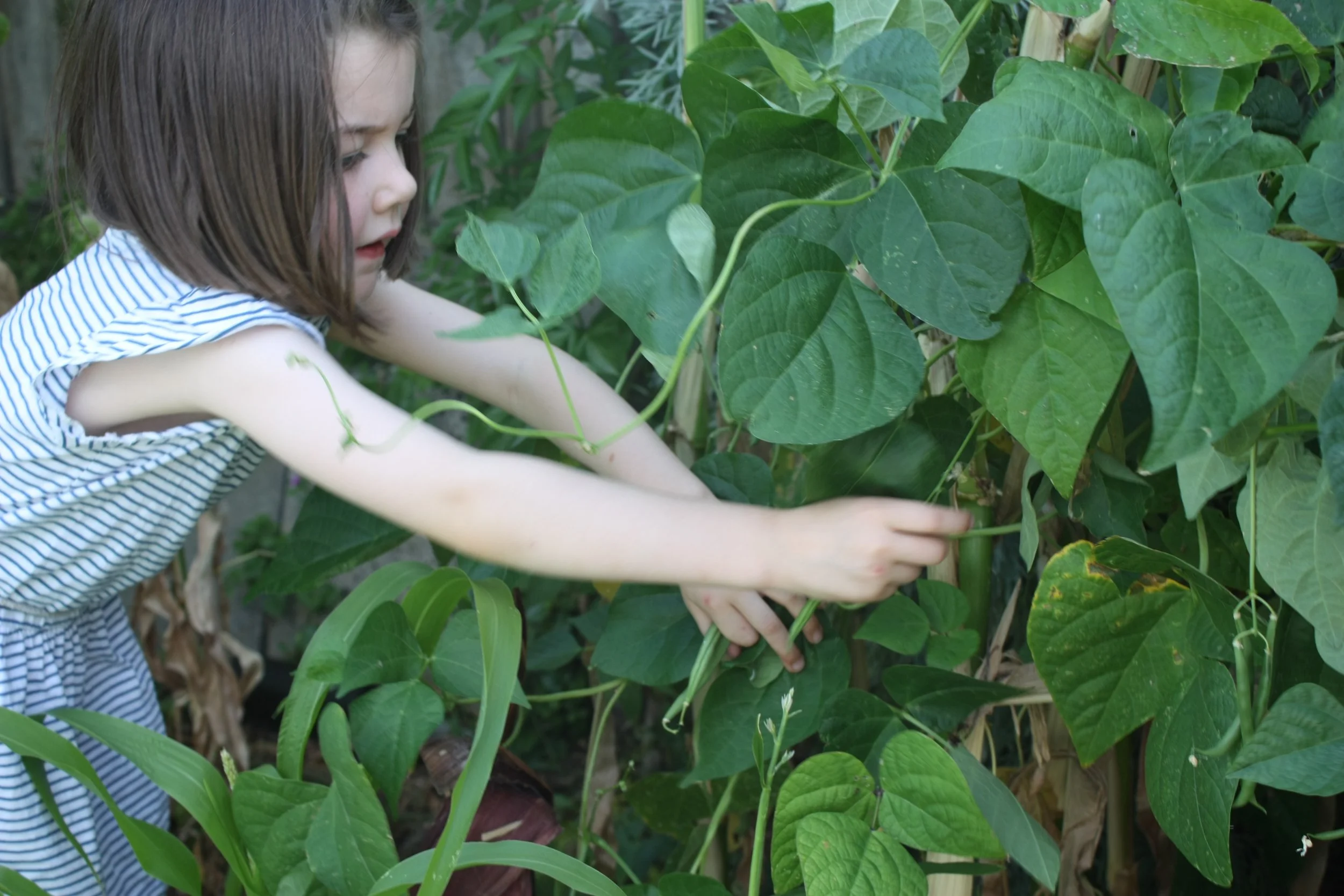
Photographs by Natasha Grogan
“The business has obviously evolved over the years, as my desire to reach more children and have a greater holistic impact on education strengthened. We developed more programs and brought in more educators including nature-based music therapy, yoga and movement to what we offer educators, councils and communities.” The business now encompasses workshops, incursions and excursions.
As a mother of two, Grogan lives her purpose both at work and at home. “I really love introducing my children to the natural world. We have a vegetable garden, we go on nature walks, I can see their own love of the natural world developing and it is so beautiful to watch.”
“I have just finished a big weekend working with so many families and I can honestly say connecting with nature lights a person up. I had children and parents positively beaming after a session in the garden. I was sent photos afterwards from families who went home to work in their own gardens. Somehow as humans we have missed a beat and forgotten connecting with nature is a fundamental part of being human, when we unlock that love or someone reminds us, we are unlocked.”
Illustrations by Melissa Brennan
“Somehow as humans we have missed a beat and forgotten connecting with nature is a fundamental part of being human, when we unlock that love or someone reminds us, we are unlocked.”
“Somehow as humans we have missed a beat and forgotten connecting with nature is a fundamental part of being human, when we unlock that love or someone reminds us, we are unlocked.”
There are certainly many benefits to getting our hands dirty and walking barefoot on the earth, but Grogan emphasizes that the positives can also be reaped by simply sitting in and observing the natural world around us. “I am certain there is equal benefit to both. Allowing yourself and indeed providing your children with the space and time to be still in nature is a source I think we are forgetting that we can tap into. We make such an effort to run all over town but very little time to be still, surrounded by nature, just to be. On the other hand, the benefit of interacting with the environment on a physical level is so powerful. If I am anxious or a little lost, a power session in the garden makes all the difference – it grounds me – and I am in a much better head space to get on with my day.”
This calm demeanour shines through when asked about the potential for individuals to make change on the sustainability front. Instead of striving for perfection, Grogan interjects with a quote from Zero-Waste Chef Anne-Marie Bonneau: “We don’t need a handful of people doing zero-waste perfectly. We need millions of people doing it imperfectly.”
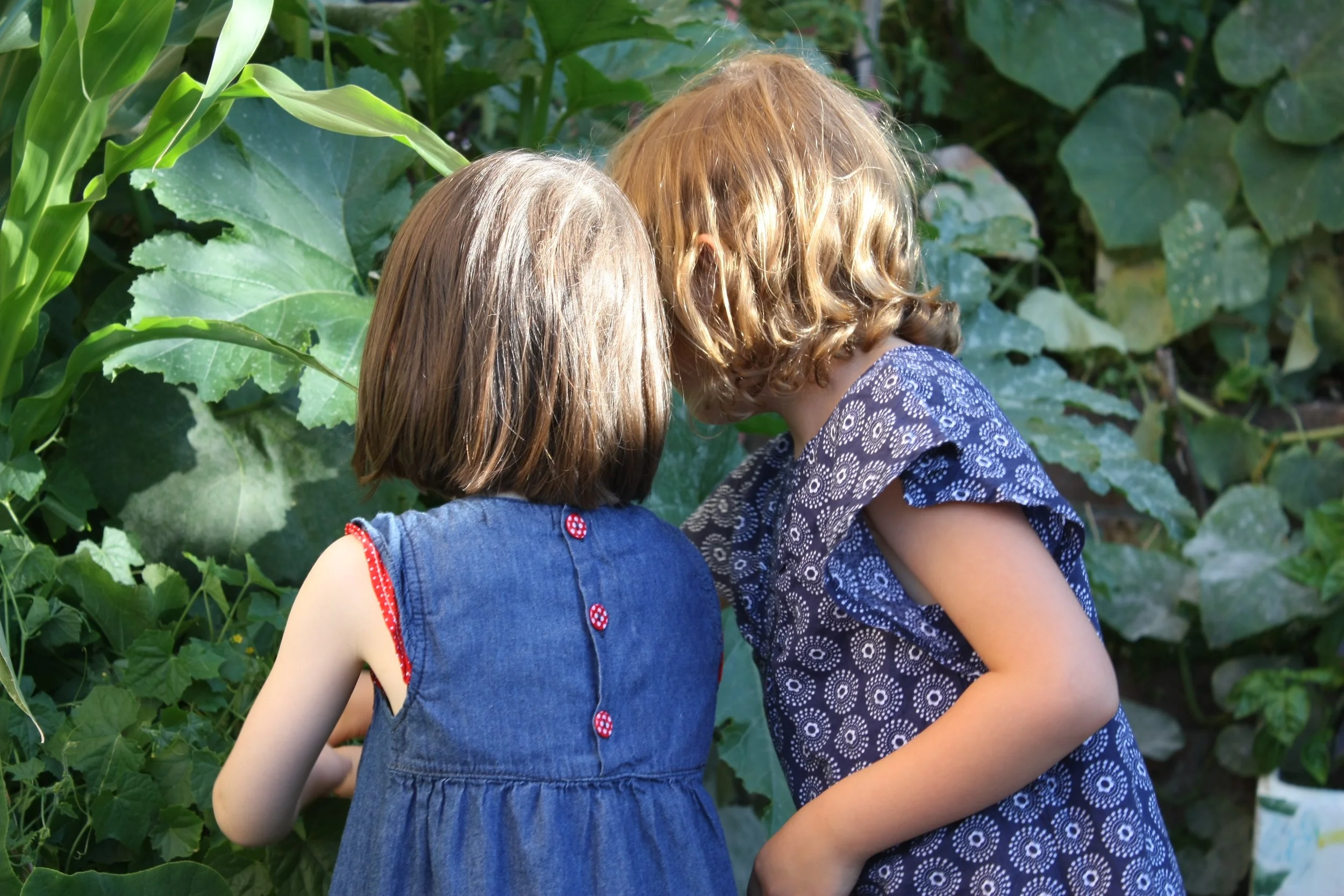
Photographs by Natasha Grogan