
Tom Koska’s shop Elite Office Machines has become a symbol of nostalgia in the streets of Carlton.
Words by Giulia Carbone
Photo by Patrick Fore
Hidden in the streets of Melbourne sits a small shop teeming with ribbons, tweezers and brushes. Beside them sit Remingtons and Olivers eagerly awaiting their turn. While hair and beauty salons saturate the streets of Carlton, the clients of this store are not combing out their luscious locks, though perhaps they have written in detail about them. Typewriters like these are machines most of us today will only ever encounter as decoration, or vicariously through Jack Nicholson in The Shining. Among these foreign objects sits Tom Koska.
I first learnt of Tom the way most people probably do nowadays: through someone who needed something from someone else. My aunt was looking to repair my grandfather’s typewriter and a limited Google search led her to a small shop in Carlton—Elite Office Machines, known colloquially as The Last Typewriter Shop. The shop is wedged between espresso bars, galleries and restaurants, many of which are the manifestation of the traditions, passion and skills brought to Australia by migrants during the late twentieth century. Tom learnt his craft in Yugoslavia before immigrating to Australia in 1966. He arrived unable to speak English yet built a life around the machines that gave voice to human expression. The irony is palpable; a man unable to converse via words, in a new country, keeping alive the very tools that people use to find their own.
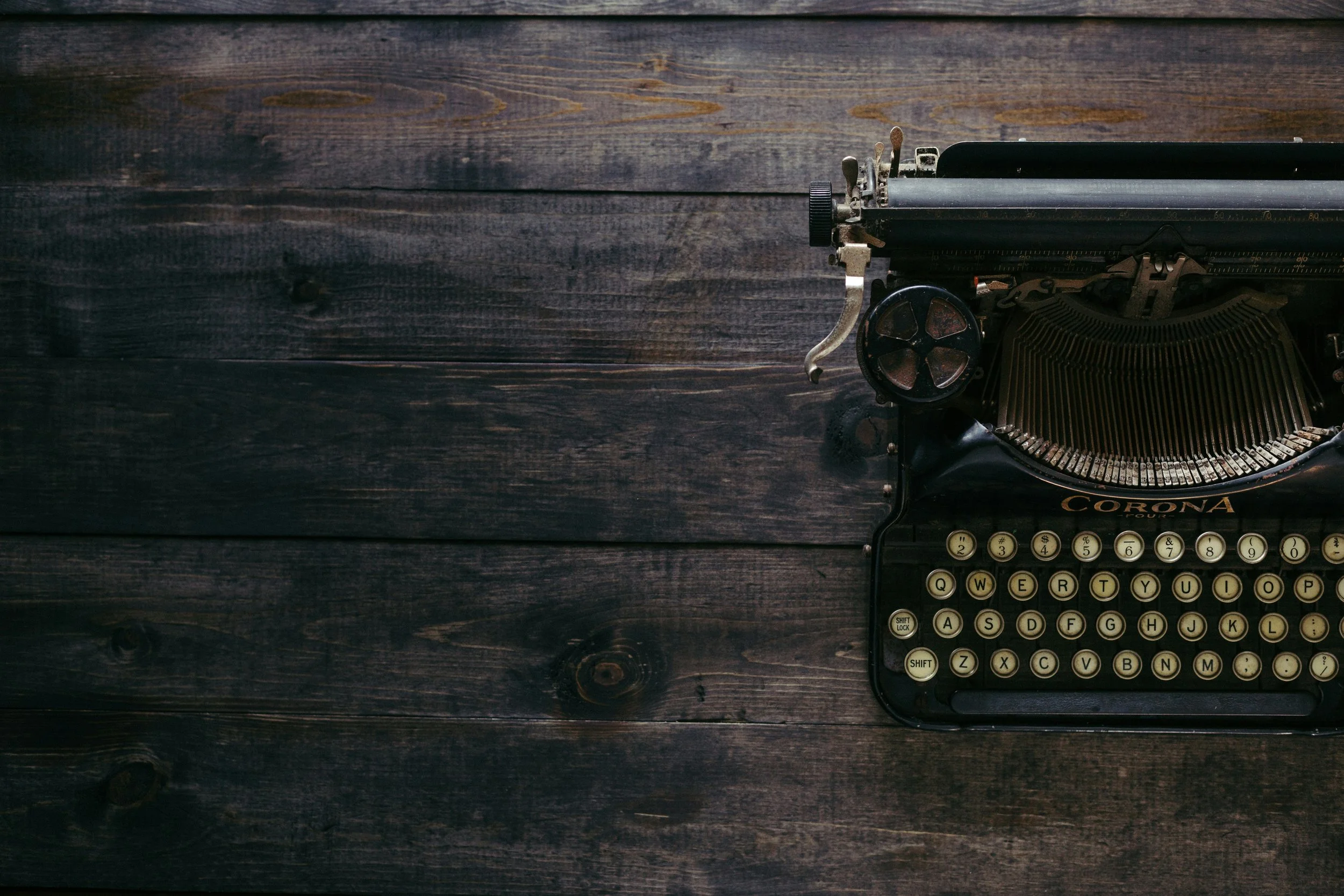
Tom says people bring him typewriters that are ‘rusty and dusty’ and he brings them ‘back to life’. His customers call him a magician, which seems fitting. In a world where replacing rather than repairing has become the default, there is something almost magical about refusing to let something disappear simply because it is no longer the easiest option. Lately, it seems the world is intentionally drifting back towards the analogue—vinyl records, film cameras—in an apparent rebellion against a technological world that saturates our senses. But Tom isn’t part of the revival. He never left. There’s no heartfelt origin story or branding or plan. ‘I love the typewriters and I love my job,’ he says. ‘That’s all I know how to do.’
The world however, has decided this makes him interesting. Tom’s shop has drawn global attention, including a typewritten letter from self-proclaimed typewriter enthusiast, Tom Hanks. Bringing up the letter evoked a grin in Tom that made me feel oddly proud of someone I had only ever read about. However, when he was asked about what the attention meant, Tom promptly returned to the things themselves. The typewriters. The work. The joy and satisfaction of making something function again.
This is the part that stayed with me. Tom could easily play into this attention—a letter from a film star, cameras in the shop, a nickname that turns him into a symbol. But in every conversation, he shifted the attention back to the machines. To the rest of us, his typewriters have become a symbol of nostalgia, creativity and, in a way, a romantic rebellion in response to an increasingly disposable world. But I don’t think Tom repairs them because they make him interesting or to capture the attention of Hollywood. I think he repairs them because he likes repairing them. Before it became The Last Typewriter Shop, it was just a person fixing typewriters because that’s what he liked doing. The machines existed before they became meaningful to everyone else.
It has become easy to walk the walk for appearances—for the photo, for the image, so that people will know about you. But perhaps that’s just talking the talk in elegant cursive and colourful gel pens. The real question is whether you’d still do it with no one watching. Tom did. Long before the letters and the news segments, back when the typewriters were just things that needed fixing and he was just the person who liked fixing them. That’s the part no one wrote about, because there was nothing yet to write about.
As I type this out with the keys on my MacBook, beautiful machines sit patiently on shelves in Carlton, holding tightly onto half-written novels, grocery lists and love letters that were never sent. They wait patiently for their next story, the story that might never come. I’m sure Tom will fix them anyway.