
TEQUILA WITHOUT THE HANGOVER
BY LAURA FELS
Tequila, mezcal, agave – what are they? What’s the difference? Does it even matter? Laura Fels did the hard work of trawling through some of Melbourne’s best tequila bars to find out.
When I whip around my group of mid-twenties friends and ask them if they have any fun stories from drinking tequila, unsurprisingly their answers often include the phrase ‘never again’ or ‘worst hangover ever.’ But when I go out with them the following weekend, we end up downing tequila shots like they’re water. Another night to add to the tequila stories.
If so many of us have these horrible stories of the drink, then why do we keep on drinking it? What keeps us going back to this Mexican elixir for which we blame our bad decisions and even worse headaches on? I plan on finding out the answer to this, and perhaps a new appreciation for the drink, in two of Melbourne’s tequila bars.
Learning to take a shot of tequila almost feels like a rite of passage. The first time I ever went to do a shot of tequila, I assumed it was the same as a shot of vodka or jaeger. Luckily, an older friend grabbed my arm to teach me the finer points. I watched, bewildered, as she showed me the time-honoured ritual of lick the salt, down the shot, suck the lime. I was grateful for learning this routine before subjecting myself to the burn of the tequila with no relief. Little did I know that this way of drinking tequila was never the intended form of consumption.
The first port of call for my tequila investigation is Touche Hombre on Lonsdale Street, in the heart of Melbourne. Walking into the restaurant section of the establishment, I don’t immediately get the vibe of a tequila bar or any Mexican influences; that is, until the assistant manager Adam leads me next door to the bar, aptly named Mezcalito. Here, the influences are more apparent. The walls are adorned with murals of Mexican deities; the one I recognise is the goddess who is credited with creating mezcal in the first place—Mayahuel. It is believed that a group of people were sheltering in a cave from a storm when lightning struck an agave plant. Once it had stopped smoking, the left-over substance was mezcal. The people believed this was a gift from the fertility goddess Mayahuel, and so the Mexican obsession with mezcal was born.
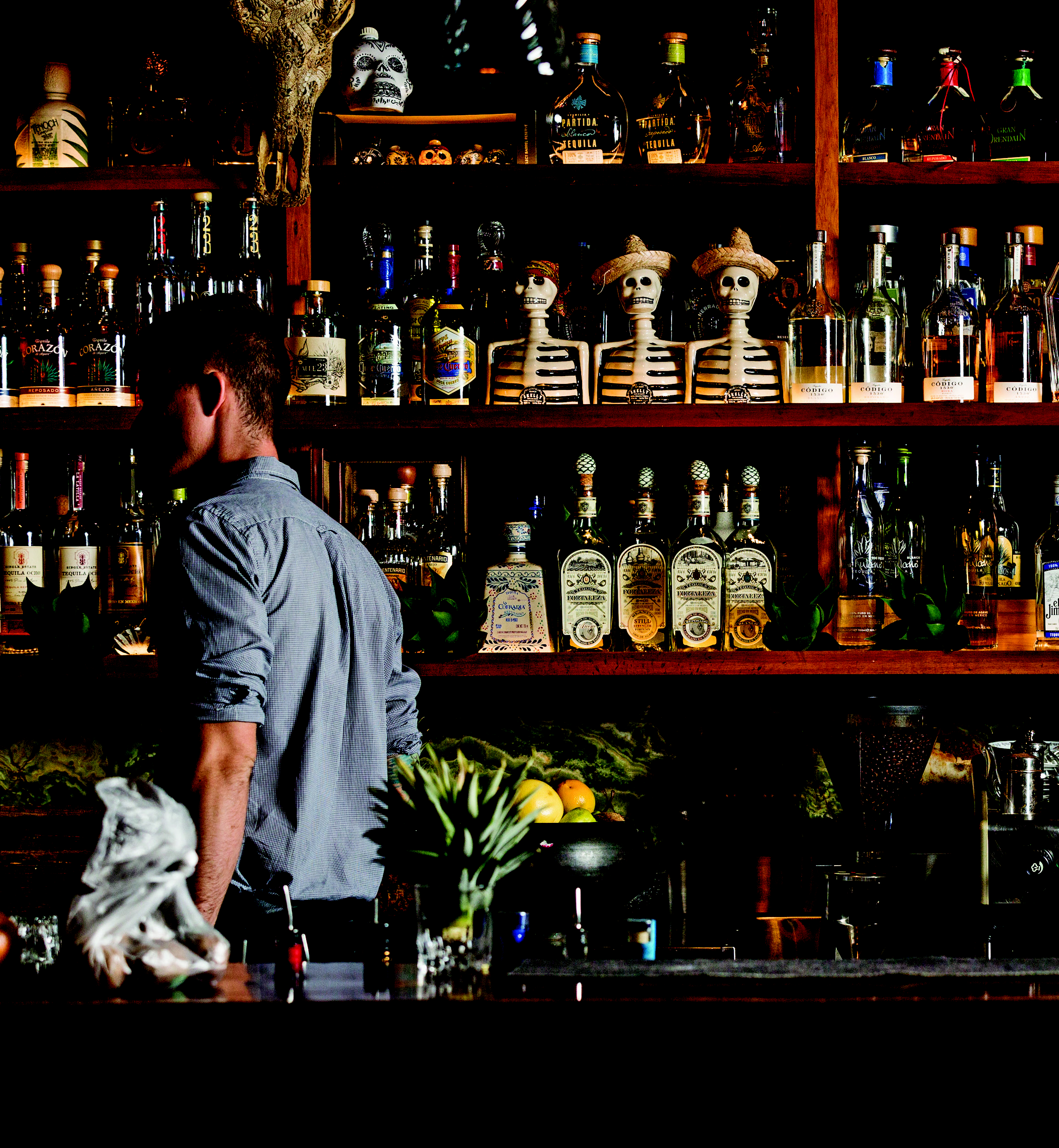
As well as the murals, the vast amount of tequila and mezcal bottles organised in wooden crates behind the bar tell me that this isn’t just a place to have a quick shot on a night out. As Adam and I talk about the differences between people who come in for a tequila shot versus the ones who come in to appreciate mezcal, I shyly admit that I’ve never actually tasted well-made tequila, let alone mezcal. This will not stand, so Adam pours both of us a generous measure of the amber liquid. The glass is most of the way to my lips when I realise I’m not sure if I’m supposed to drink the whole thing in one gulp, or sip and appreciate it. Adam tells me to ‘do what you like!’ but I follow his lead and take a small sip. The smoky flavour hits me first and it’s unlike any spirit I’ve had before. If I didn’t know of its agave origins, I would never have guessed that this drink had any relation to the cheap tequila I’ve had before. Adam talks me through what to notice and what to appreciate in the flavour and I can see why this drink has gained such a following and appreciation.
Starting this investigation, I was merely interested in tequila, but quickly found that mezcal and tequila often go hand in hand. I didn’t, however, even know what mezcal was. After speaking with many sources and doing my own research, the main difference I can find is that tequila is made from one specific agave plant, while mezcal covers all agave-based liquors. In Australia, where most people associate tequila with Jose Cuervo, the nuance is largely lost. But in Mexico, tequila and mezcal are serious business.
My main question for Adam is ‘why a tequila bar?’ Here in Australia, drinks such as whiskey and wine have a more mainstream culture of tasting and appreciating, whereas tequila is usually just a party drink. I expect Adam to answer with something about the taste, but he surprises me by saying that it’s about supporting the small Mexican communities and families instead of the big businesses who make poor quality but high quantity alcohol. The whole process of making and ageing mezcal is revealed to me and I begin to gain an appreciation of the drink, beyond the taste. Adam tells me of the myth, the fable perhaps, that a young boy can plant an agave plant but won’t drink the resulting beverage until he’s an old man. The importance of community is evident throughout the bar as well. The chefs who make the food—which I am told is ‘traditional Mexican meets modern Melbourne’—are all South American and the blackboard in the bar is advertising local salsa classes as well as Spanish language classes.
The initial vibe for the other tequila bar I’m visiting is very different. Located in Curtin House on Swanston Street, it’s easy to walk past Mesa Verde, but for those who know where it is the restaurant and bar is a tequila-lovers dream. Each bartender is well versed in the selection of tequilas on offer and able to make a suggestion for each patron—whether they’re a novice or a well-seasoned drinker.
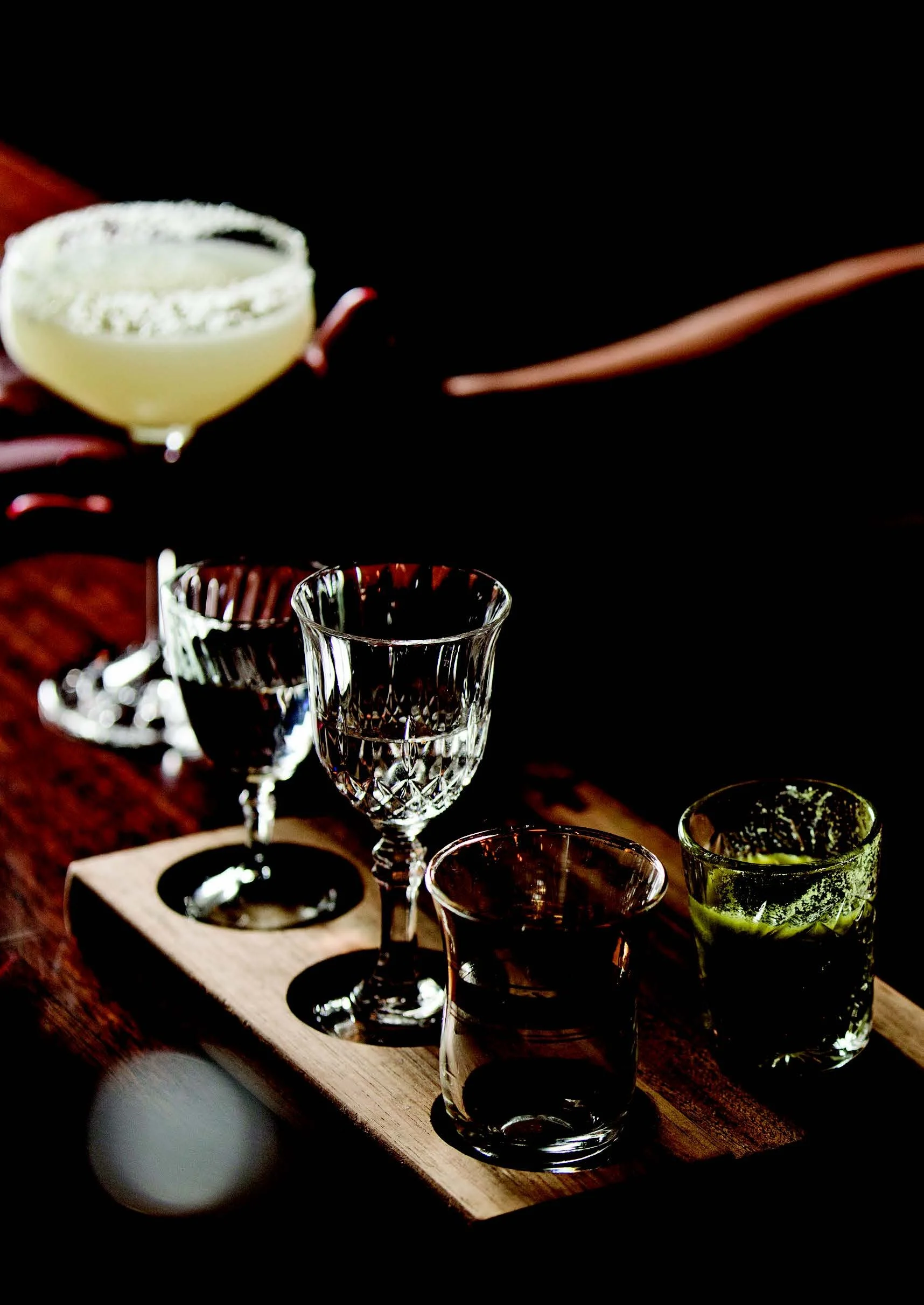
Here, I’m mostly taken by the idea of ‘flights’ on the menu. There’s a separate section for cocktails, but I’m unsure what is meant by taking a tequila or mescaline flight. I ask one of the bartenders for some guidanceand he explains that it’s a way of appreciating mezcal or tequila in a similar manner to how you would drink scotch or whiskey. The flights offer four to five variations of the spirit in amounts of the drinker’s choice. Each spirit comes from a different area in Mexico so the drinker can experience the variations and unique tastes each region has to offer. The flights are also a useful tool in teaching people how to move away from the idea of tequila as something which needs to be chased by lime and learn how to appreciate well-made tequila and mezcal for the taste and process that goes into its production.
While Mesa Verde appears to have decorative influences from old Western movies—like vintage film posters—the food and drinks are definitely influenced by and reflective of traditional Mexican cuisine. During my visit, they were even doing a photoshoot to show off the recent menu updates. Speaking to staff, I learned that the food served was important as an accompaniment to the many drinks served, and thus it was important to keep the food as authentic as possible, while still appealing to the Melbourne market.
At both bars, I was interested in tequila as a standalone spirit, but the idea of tequila in a cocktail is also intriguing. At Touche Hombre, the most popular cocktail is Tommy’s Margarita, while at Mesa Verde it’s their House Margarita.
‘What keeps us going back to this Mexican elixir for which we blame our bad decisions and even worse headaches on?’
The Mesa Verde version is what I know a margarita to be—heavy on the tequila with a good amount of salt around the rim to ensure a good salty sip right to the very end of the drink. Tommy’s Margarita is a little different though. Invented in 1990 at a restaurant called Tommy’s (fittingly!) in San Francisco, the main difference is the absence of triple sec, but the addition of agave nectar. This results in a sweeter and easier drink which goes down dangerously smooth.
Both tequila bars proved to me that the dangerous liquor could be more than just the promise of a hangover the next day. Although different, both Mesa Verde and Touche Hombre are classically Melbourne—slightly quirky, with an appreciation of their originating culture combined with distinct Melbourne spin. They both have a strong love for this intriguing spirit and are on a mission to instruct drinkers on how to find good quality tequilas and mezcals.
I’m completely hooked, and will certainly be preaching to my friends from the Church of Good Tequila. No more little red-hatted bottles for me!
HOW TO MAKE TOMMY’S MARGARITA
Originating from tequila legend Julio Bermejo at Tommy’s Mexican Restaurant in San Francisco, the Tommy’s Margarita is a fresher and smoother spin on the classic cocktail.
What you will need:
60ml tequila (100% blanco)
30ml lime juice
15ml agave nectar
Ice
A generous measure of salt, to garnish
How to serve:
Prepare a glass (a rocks glass ideally — or something with a wide rim) with a salt rim by dipping the rim in the lime juice and then dipping it straight into the salt.
Add four or five ice cubes to the glass.
In a shaker combine the tequila, lime juice and nectar.
Pour over the ice into the glass.
Enjoy!
Just a warning — you may want to double this recipe from the outset, because we guarantee you’ll want a second drink!
