
WALKING THROUGH THE TRENCHES OF FERMENTATION

WORDS BY NATACHA MANOMAIPHAN
From Ancient Egypt to Indigenous Australia, fermented foods and beverages have been an intrinsic part of cultures and societies across the globe and across history. Let’s travel back in time to explore this bedrock of modern cuisine.
Sourdough, cheese, wine and beer—among many other foods and beverages—have a unique taste, and it’s all owed to fermentation. It not only makes everything taste better; it helps keep us alive! Fermentation is packed with history and health benefits.
Traditional fermentation is natural: it involves a metabolic process where organisms break down organic matter in the absence of oxygen. Fermentation drew its first breath—or lack thereof—thousands of years ago. It emerged as a method of preserving foods and beverages for long periods of time, and was especially important during periods of scarcity. Fermentation was predominantly used to create beverages such as beer, before its application slowly extended to foods like sourdough. Interestingly, the first traceable fermented substance is an alcoholic beverage called mead. This fermented beverage is revived through its fame in modern day society—you’ll find reference to it in series like Harry Potter and Game of Thrones! Mead was first mentioned in a collection of Vedic Sanskrit hymns, called the Rigveda, dated 3700 years ago. While there have been other historical mentions of fermented beverages, like what the Greeks called ‘ambrosia’ and the Sumerians’ discovery of beer, what was really being discovered was mead.
The Ancient Egyptians also practiced the art of fermentation. They were convinced that their ferments contained aphrodisiac properties because of the intoxicating effects that occurred upon consumption. Interestingly, remnants of industrial breweries in Egypt were unearthed at archaeological sites; large conical vats were found along with heating installations. From the size of these vats, it is clear that large quantities of something had been in production. While the residue in these vats was unfortunately unidentifiable, these findings still suggest the long-lived existence of fermentation. Sporadic findings such as these indicate a variety of cultural associations with fermentation processes across groups.
Here in Australia, a study suggests that the Noongar people of south-western Australia have developed their own unique process of fermenting, with a plant called the macrozamia plant. Their method included soaking and fermenting its fleshy seedcoat. This contrasts to other Aboriginal groups in eastern Australia, who discard the flesh of this red fruit and consume the processed seeds. This study shows the undeniable variety of representation that can come from different belief systems and values that cultures hold dear.
Fermentation is a cultural experience. Beyond the recipes handed down from generation to generation, it is the unique tastes that remind us of our roots—the ones we grew from and the ones we experience through our gustatory senses. This connectivity is a depiction of the kinds of produce that thrives on different soils. Fermented foods and beverages are specific to cultures around the world—some act as a delicacy while others hold a medicinal purpose. For example, in many Southeast Asian countries, fermented fish paste is a celebrated fermented ingredient added to food. The smell is known to be powerful, even pungent. It is also known for its ability to enhance the flavours of any dish. To create the shrimp paste, a distinct method of fermentation is carried out. This is applicable to all fermented foods and beverages worldwide.
Fermentation’s importance and usefulness is prominently recognised in Thailand, Singapore, Malaysia and Vietnam, among other Asian countries.
Fermented food and beverages existed before the European settlers invaded Australia, maybe before the first Aboriginal Australians, or even before Neolithic humans! Despite this, the techniques of fermentation are still studied today. New discoveries continue to be made as there is surprisingly limited information on this ancient practice. This gives rise to research projects like The Science of Aboriginal Fermentation at The University of Adelaide. Professor Vladimir Jiranek leads this study, exploring the fermentation process of quandong roots from South Australia, cider gum sap from Tasmania, and nectar from banksia. Did you know that cider gums produce an alcohol content of 4–5%? This is relatively low in contrast to the alcohol content of current day wine, which ranges from 12–15%. This difference demonstrates the growth that fermentation has had over centuries.
According to Professor Jiranek (Professor of Oenology and Director of the ARC Training Centre for Innovative Wine Production), the information revolving around the fermentation process has not been ‘characterised scientifically’ enough. Professor Jiranek aims to identify the strains of yeast that enable each fermentation process and compare them to that of other fermentation processes. This study will hopefully bring light to the historic techniques used in each process, as well as enabling analysis of vital components in production, such as temperature and location. Professor Jiranek believes that beyond paving a pathway to collect new information on the uses of native plants, the study also addresses the cultural context of fermentation.
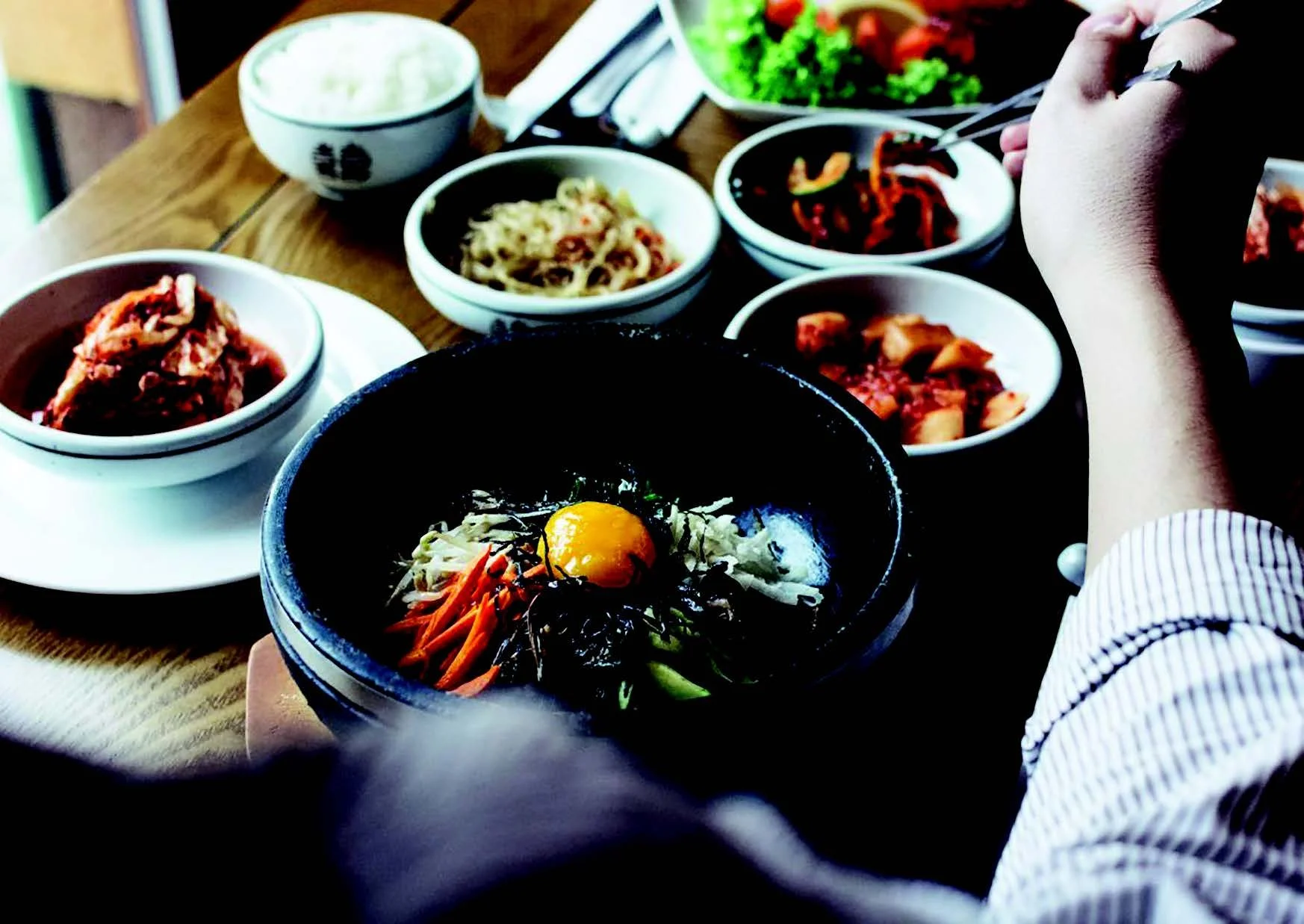
While fermentation’s presence in modern society isn’t as evident, it is certainly a living and thriving element in the culinary arts. While fermentation was all about being resourceful in the face of food scarcity, it has been repurposed in modern society as a marker of historical and cultural value. The process of fermentation is a globally recognised practice that has extended beyond traditional cultural cuisines around the world. These days it is often seen incorporated into well-known traditional dishes. For instance, kimchi is a Korean preserved vegetable dish, enjoyed by many. From this iconic creation, ‘kimchi french fries’ have risen in popularity. Its salty yet refreshing combination is a delectable must-try dish at Korean restaurants. Kombucha is a fermented beverage that has also boomed with popularity, and Melburnians just can’t get enough! Did you know that it potentially holds over two-thousand-years of North Asian and Russian history?
Fermentation communities are also thriving—it is practically a subculture in Melbourne. Passionate health professionals and entrepreneurs are not the only ones taking part on this journey. Creative businesses are also on the rise, and participation is booming! These businesses are focused on offering a community space dedicated to teaching the art of fermenting, which is no surprise given its many health benefits. Through workshops, participants have the opportunity to learn the methods and perfect their technical skills as a fermenter. On top of that, there are starter kits that allow people of every skill-level to make their own fermented food and beverages. For instance, there are starter kits for making sourdough bread at home—now who wouldn’t enjoy that?
A new festival is making its way to Melbourne called Bread & Circus: Culture Fermented. This event is another way that fermentation is celebrated in modern day communities.
‘From sour to sweet, spicy to bitter, fermentation has always been right beside you—even if you didn’t know it—dancing from sunrise to sunset, tiptoeing over the trenches of holes on sourdough bread and beneath the foamy layer of a cold beer.’
From sampling fermented foods and beverages to hearing from ‘fermentalists’, attendees will celebrate all things fermented, alongside new and established fermentation enthusiasts. Fermentation travels from the physical spaces of the world to online spheres. It has a surprisingly strong online presence, where blogs document experimental recipes, discussions are held on forums, and even video tutorials are sprouting. Fermentation is open to all opinions and interests, whatever they might be.
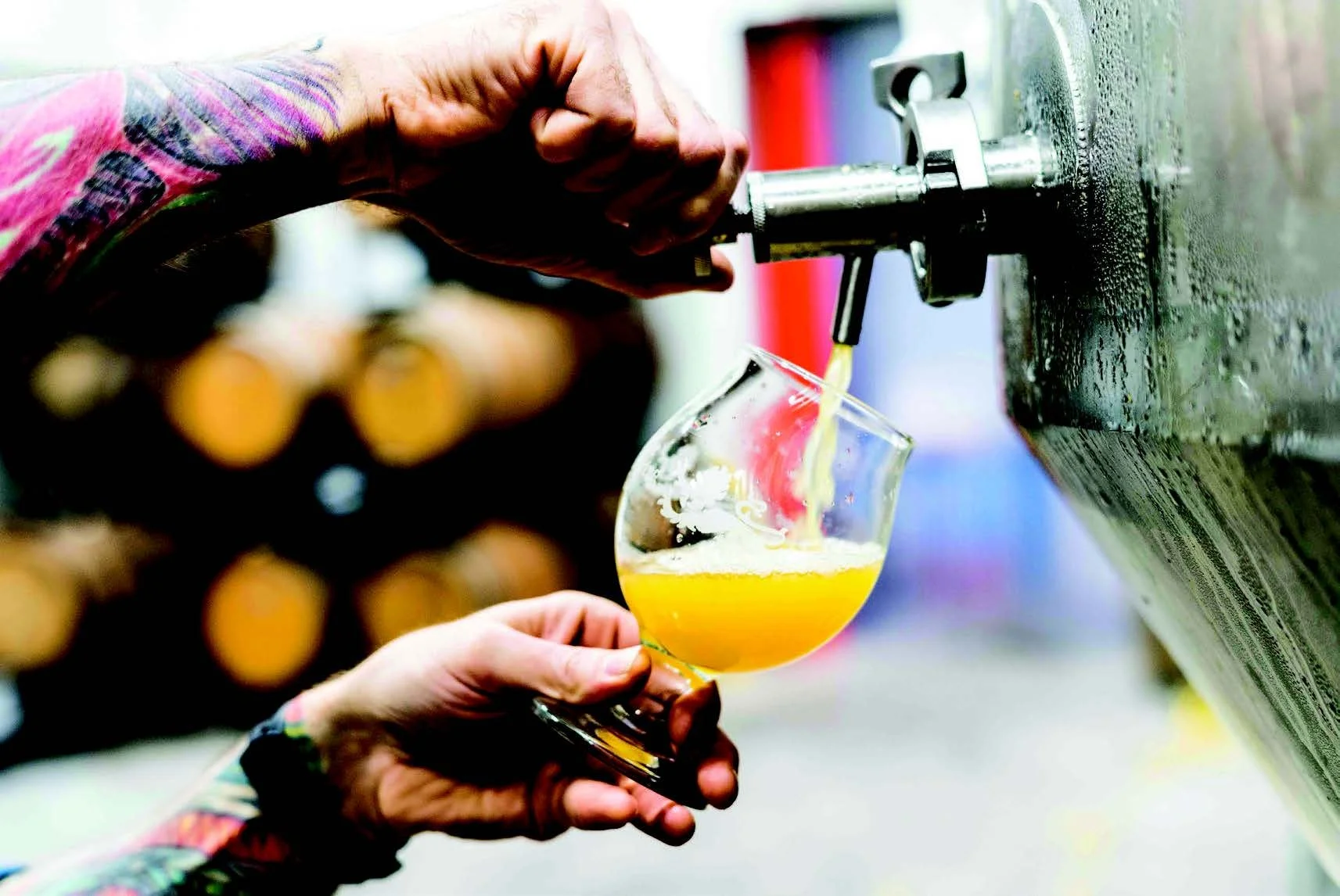
Fermentation is a wonderful, accidental discovery that has evolved and reshaped over thousands of years. Its natural nature enhances the flavour of our beloved foods and beverages. While its biochemistry can be on the complex side, there is still much to be appreciated about fermentation and many reasons to try it yourself. Fermentation’s identity varies around the world through the culinary arts. There is an increasing appreciation for fermentation and the role it plays in modern society, especially in Melbourne. It really is no surprise as Melbourne is packed with multicultural cuisines in every alley and on every street. From sour to sweet, spicy to bitter, fermentation has always been right beside you— even if you didn’t know it—dancing from sunrise to sunset, tiptoeing over the trenches of holes on sourdough bread and beneath the foamy layer of a cold beer.
CITY GUIDE: WALKING THROUGH THE WORLD OF FERMENTATION
Have a taste of fermentation’s history with a few of these recommended locations!
SAMSAM KOREAN CHICKEN AND BEER
209 Swanston Street, Melbourne
Samsam celebrates Korean food culture through its distinctive ‘beer and fried chicken’ combination. You’ll always find a long line of customers out the front, just waiting to try their delicious cuisine. From traditional to modern Korean dishes, Samsam has the best of both worlds. Beyond their range of Korean alcohol, Samsam offers traditional dishes like bulgogi and japchae, while also introducing modern interpretations like ‘kimchi french fries’. This Korean restaurant will surely blow your mind with its flavourful palates. If you’re looking to try Korean food, this is the place to go. Samsam is located in the heart of the city, and best of all, it’s open late into the evening!
FESTIVAL: ‘BREAD & CIRCUS: CULTURE FERMENTED’
1/12 Elizabeth St. Kensington
Whether you are a beginner or expert on fermentation, everyone is welcome! You’ll be able to find all things fermented here: sample fermented foods and beverages, attend Masterclass workshops, speak to experts about the art of fermentation, and more! There is something for everyone to try. This new festival was scheduled to have its initial run this year, in Melbourne, on 13 June. However, due to the ongoing COVID-19 situation, it has sadly been cancelled for the time being. Keep an eye out for when it does return—you won’t want to miss out on this unique experience!
MJOLNER MELBOURNE: SUNLIGHT LIQUOR
106 Hardware St, Melbourne
The long-lost fermented beverage that started it all—mead! There are a growing number of liquor stores that have mead readily available for everyone to try; Mjolner Melbourne is one of the many. Here you’ll find Sunlight Liquor’s Sparkling Orange Blossom Mead. This fermented beverage is infused with bergamot orange and black tea. Its flavours include a honey and citrus mixture. Its creamy texture is simply delectable and will leave you wanting more, and it’s only $5! If you’re looking to be a little adventurous and are thirsty for a chance to taste the lingering history of fermentation, this is it!