
FERMENTED GUTS AND GLORY
WORDS BY DANIEL CALLAGHAN
You’ve probably heard something about fermented foods being healthy, but what does that really mean? Forkful has done the hard yards to bring you the ins and outs of probiotics, microbiota and gut health.
Pickled, mashed up, secluded in jars and doused in murky liquid, preserved like something out of a mad scientist’s laboratory; it wouldn’t be surprising if most of us were deterred by fermented foods based on their appearances alone. Despite what may exhibit an unappetising appearance, you might find yourselves surprised at the health benefits that result from consuming fermented foods, particularly within a person’s gut. Fermentation revolves around the process in which naturally occurring bacteria gradually transform carbohydrates into an alcoholic state, which in turn becomes a natural preservative that brings many health benefits. As explained by fermentation practitioner and advocate Cary Aiken of KINES café and fermentary:
Fermented foods, especially those wild fermented, have an incredibly diverse range of live bacteria, yeasts and enzymes which, when eaten regularly, contribute to a diverse and healthy gut flora—enabling your body to better digest and process foods, and support a healthy immune and digestive system.
A Q&A ON PROBIOTICS AND THEIR IMPACT ON THE DIGESTIVE SYSTEM
Before discussing how exactly fermented foods assist with gut health, I face a dilemma: I want readers to know that I just happen to be the world’s greatest fermentation expert (in my self-imposed ‘professional’ opinion, at least). That said, I also want you to be aware that, while I could tell you everything about a simple fermentation term like probiotics (which is a word that I definitely did not take from the Internet, and is also the main reason that fermented foods are revered for their health benefits), I don’t want to hog all the spotlight. To assist me in eloquently explaining to anyone interested in how fermented foods can affect one’s gut health, I have joined forces with a Victoria-based gastroenterologist and consultant physician who has studied the human digestive system for approximately forty years. I’ve done this to provide readers with an understanding of fermentation and its correlation with the body’s health, though I will undoubtedly provide the better explanation. Here goes …
WHAT ARE PROBIOTICS?
Me: They are biotics that make you healthy.
Gastroenterologist: The normal human gut contains trillions of bacteria, some of which have a beneficial effect while others have the potential to cause ill health. Normally these bacteria live in a harmonious state, which scientists label the gut microbiota.
The gut microbiota contributes to digestion and general good health. However, when there is an imbalance, with the ‘bad’ bacteria dominating, this can lead to an illness. Probiotics—which are live, non-pathogenic microorganisms—are administered to improve the balance, resulting in an improvement in the patient’s condition.
HOW DO PROBIOTICS WORK?
Me: When ingested, fermented food releases some helpful things into the gut.
Gastroenterologist: Probiotics consist of yeast or one of a number of microorganisms and are administered by mouth in several forms including tablets, capsules or powder. In addition, probiotics are naturally present in a variety of foods, particularly yoghurt or dairy products. The probiotics may consist of one or multiple microorganisms in a variety of doses. Probiotics exert their effects through a variety of mechanisms including increasing the acid level in the bowel, decreasing the number and effectiveness of the ‘bad’ gut bacteria and lastly by improving the host’s immune system. In order to be useful, the probiotic must be able to negotiate its way through the acidity in the stomach and then be able to reproduce in the gut to restore balance in the gut flora.
HOW DO PROBIOTICS ASSIST GUT HEALTH?
Me: As a result of science, a person’s digestive system is improved.
Gastroenterologist: The use of probiotics restores the microbiological balance in the gut, which improves gut function, which leads to better absorption of nutrients. This results in resolution of symptoms and return to good health.
WHAT ELSE CAN PROBIOTICS DO?
Me: They can also help other parts of your body.
Gastroenterologist: There have been a number of medical conditions where studies have shown a benefit from the use of probiotics. However, the response may vary from patient to patient. These conditions include:
Gastrointestinal disorders like irritable bowel syndrome
Eczema
Type 2 diabetes
Obesity
Fatty liver
Yeast, urinary tract, and gum infections
Sepsis, particularly in infants.
SPECIFIC FERMENTED FOODS AND THEIR IMPACTS ON HEALTH
It’s not just a person’s digestive system that benefits from consumption of fermented foods. Indeed, fermented foods work with the human body in several ways, from improving bone strength to the possible reduction of obtaining diseases. As detailed in the 2015 book Health Benefits of Fermented Foods and Beverages, edited by food technologist and microbiologist Jyoti Prakash Tamang, certain fermented food products work to improve the functioning of specific areas of the body. Outlined below are some examples, and a brief selection of their corresponding health benefits:
Dairy products:
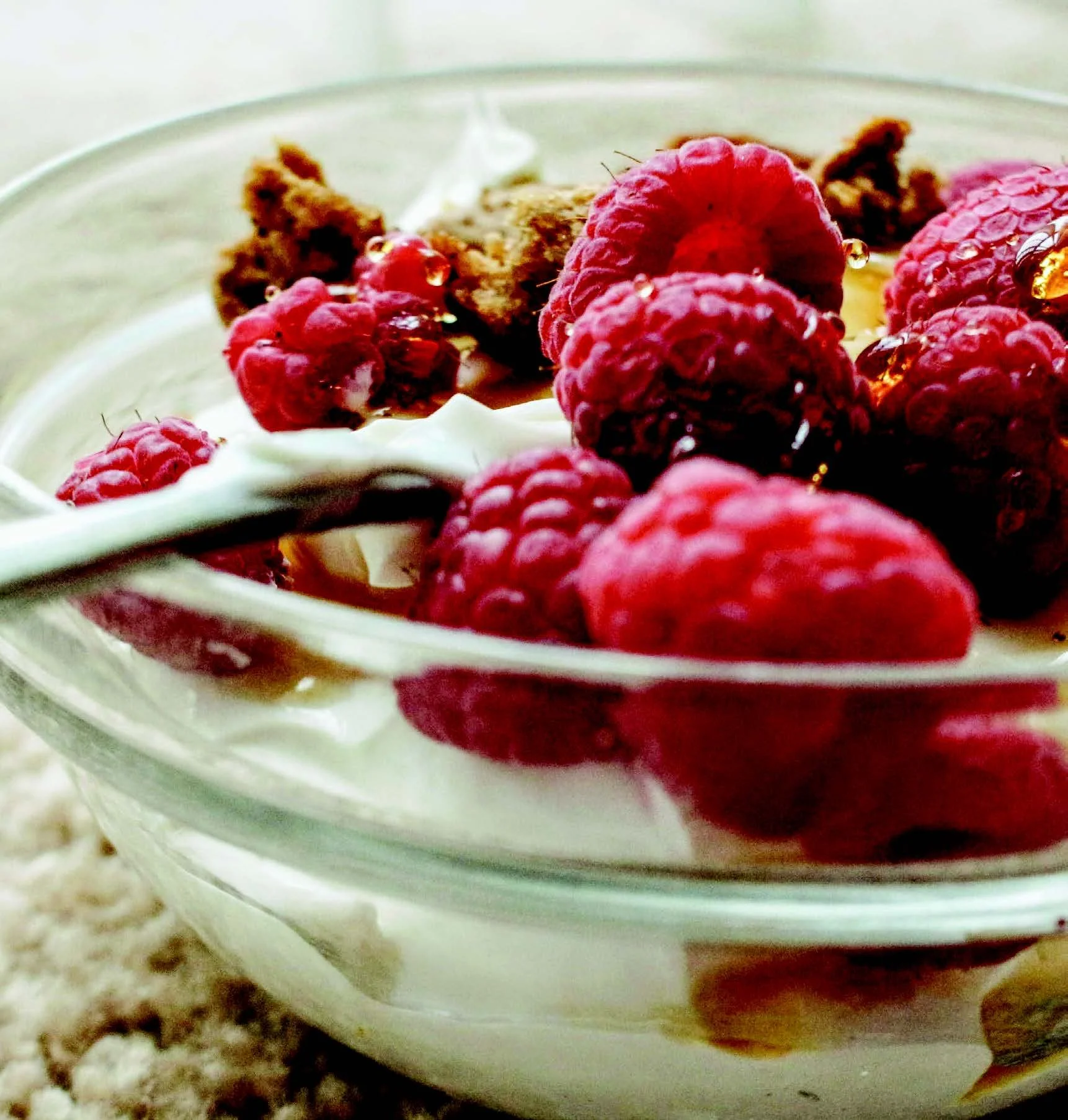
Most of us know that dairy products—milk, yoghurt— are good for us. Exactly how though, how many of us can say?! Eating dairy leads to a larger intake of calcium and phosphorous, which in turn improves the wellbeing of our bones and heart. Dairy products also contain vitamins A, B and D, which tend to enhance our metabolism and bone health, but also have the potentially added benefit of preventing colon cancer.
Among these vitamins are fatty acids and lipids, with phospholipids and sphingolipids serving as examples. They are useful for improving stress and mood, as well as increasing cellular growth within the body. Similar to vitamins, lipids and fatty acids may also provide assistance in repressing cancer.
Fermented vegetables:
Fermented vegetables can also bring their own benefits to the human body. Many contain lactic acid bacteria, otherwise known as LAB, which increases probiotics for the body. Beetroot is an example that everyone knows out of either love or repulsion, and while I will never forget the childhood horrors, consuming the eponymous vegetable does assist with preventing infection and sinister diseases due to the added element of betacyanin. Gherkins, another specimen of my childhood trauma, contain properties like potassium and vitamin K, which help with reducing blood pressure and allowing blood to clot normally. Sauerkraut also contains isothiocyanate and glucosinolates, both of which have the potential to activate naturally occurring antioxidant enzymes within the body, while also possibly leading to a decrease in getting cancer.
Wine:
Now here’s a fabulous ferment that we can all get behind! Most of us will agree that it certainly carries many benefits, but wine consumption (within reason and when consumed safely, of course) surprisingly has health benefits that correlate with fermentation! However, as Jyoti Prakash Tamang stresses, high consumption of wine as a means to prevent health issues will certainly cause more harm than good, as with any of its other therapeutic possibilities. The high concentration of compounds and substances from the plant kingdom known as phenolics, or phenols, have the capability to assist with similar health issues to other fermented foods. Branches of these phenolics like flavonoids and resveratrol can potentially lessen the chances of getting cardiovascular diseases and eye diseases, and possibly provide protection against Alzheimer’s disease.
SOUNDS GOOD, BUT …
With all that said, fermentation doesn’t necessarily always equate to great health within the gut, or any section of the body.
‘Fermented foods, especially those wild fermented, have an incredibly diverse range of live bacteria, yeasts and enzymes which when eaten regularly contribute to a diverse and healthy gut flora.’
Despite the many health benefits that fermented foods can potentially bring us, their use also requires an equal amount of caution, since side effects and misconceptions about excessive probiotics consumption can occur in earnest. Let’s go back to our friendly gastroenterologist:
When a patient commences probiotics they might experience abdominal discomfort, bloating, belching and diarrhoea. These are due mainly to increased gas formation. Usually these symptoms are mild and will gradually resolve, but if they persist then a change of probiotics might be necessary.
Long-term use can lead to:
Development of skin rashes
Precipitation of allergic reactions
Potential for infections (especially in patients with severe illness and compromised immune systems)
Microbiological gut imbalance.
While most medicines have to undergo stringent testing before use, regulatory requirements for probiotics are less stringent. As a result, common misconceptions around probiotics abound, which include:
People consider probiotics as a cure for everything, which is not the case
Inappropriate use delaying proper medical assessment
The view that probiotics are without the potential for causing harm.
Although probiotics have a potential for negative effects, another possible issue that arises from fermented foods relates, according to Healthline, to some products containing fats, salts and sugars. As with any other packaged product, it’s recommended to closely analyse the product’s nutritional labels prior to purchase, particularly if you have any intolerance or allergies. Healthline also encourages caution around cooking methods when using certain ingredients, as well as around attempts to ferment foods at home, since incorrect methods can lead to food being spoilt resulting in possibly unsafe consumption.
***
When all is said and done, however, it’s blatantly clear that, when eaten with care, numerous health benefits can arise from fermented foods, especially for the digestive system. Undoubtedly thanks to the high concentration of probiotics, as well as other elements, fermented foods can be a welcome addition to our diet. I sincerely hope that I—and the gastroenterologist—have provided you with guidance on the weird world of fermentation and the body.
I still obviously knew the most about probiotics, though.

WHERE THE WILD THINGS SELL
After reading Forkful’s discussion of the potential health benefits from fermented foods, you may be wondering: where exactly can I buy them from? In that case, you’re in luck! Melbourne has a wide range of in-store and online outlets stocked with the wild fermented foods you’re craving! Check out Forkful’s selection of local shops and businesses that have made a name for themselves in the world of fermented foods.
THE FERMENTARY
11/57 Leitches Creek Rd, Daylesford
Created by Sharon Flynn, this Daylesford-based business specialises in fermented foods of many kinds and also offers educational workshops. The Fermentary further allows product purchases through their online store, which is incredibly convenient right now!
GAGA’S—REAL FERMENTED FOODS
gagas.com.au
Wild fermented products by family-owned business Gaga’s can be found in food markets across not just Melbourne, but all of Australia. While you can always opt for their online delivery, Gaga’s may be a name to look out for the next time you’re at your favourite food market!
KINES
11 Hope Street, Brunswick
Situated in Brunswick, KINES Café is a great place to try out wildly grown fermented foods for yourself, while also enjoying the kind of coffee that Melbourne is famous for!
WILD THINGS STORE
228–230 St Georges Road, Fitzroy North
A fresh produce shop located in Fitzroy, Wild Things Store offers a wide selection of fermented and organic products. The store also has online order and delivery, convenient for the times when you’d rather not venture outside!